Contents:
- Understanding Hair Tangling: The Science Behind the Knots
- Common Causes of Why My Hair Tangles So Easily
- Moisture Loss and Dryness
- Damage and Split Ends
- Hair Type and Texture
- Common Mistakes to Avoid
- Practical Solutions to Reduce Tangling
- Detangling Techniques That Actually Work
- Hydration Is Everything
- Protective Styling
- Heat and Chemical Management
- A Reader’s Real Story
- FAQ: Questions About Hair Tangling
- Moving Forward: Your Tangling Solution
Did you know that up to 60% of people with medium to long hair experience regular tangling? Hair tangles might seem like an unavoidable part of longer locks, but understanding the science behind them can transform your daily hair routine.
Understanding Hair Tangling: The Science Behind the Knots
Your hair tangles when strands cross over each other and become interlocked. This happens because each hair strand has a protective outer layer called the cuticle, made up of overlapping scales. When these scales point downward smoothly, hair glides past each other easily. When they’re raised or damaged, friction increases dramatically, causing tangles.
Several factors contribute to how easily your hair tangles. Porosity—how well your hair absorbs moisture—plays a significant role. High-porosity hair, which absorbs water quickly, tends to swell and tangle more easily. Texture matters too; finer, thinner hair tangles more readily than thick, coarse strands because individual hairs have less weight to keep them separated.
Length is another obvious culprit. Hair longer than 20 centimetres starts experiencing more movement and friction, creating more opportunities for strands to cross and lock together. The ends of your hair, which are older and more exposed to damage, are particularly prone to tangling because they’re drier and more brittle.
Common Causes of Why My Hair Tangles So Easily
Moisture Loss and Dryness
Dry hair is the primary cause of excessive tangling. When your hair lacks moisture, the cuticle scales raise and roughen, increasing friction. This dryness develops from heat damage, chemical treatments, harsh shampoos, or simply environmental factors like central heating and low humidity. Winter months in the UK often intensify this problem.
A simple test: run your fingers down a hair strand from root to tip. Smooth? Your hair is healthy. Rough or bumpy? Dryness is causing the issue. You can improve this by using a deep conditioning treatment once weekly. Look for products containing argan oil or keratin; these cost £8–15 and make a noticeable difference within two weeks.
Damage and Split Ends
Split ends are a major tangling culprit. When the outer cuticle layer splits, it exposes the inner cortex, which is naturally sticky and prone to tangling. Blow-drying, straightening, and sun exposure all contribute to this damage. The British Dermatological Association recommends trimming 2.5 centimetres every 8–12 weeks to keep hair healthy and tangle-resistant.
Hair Type and Texture
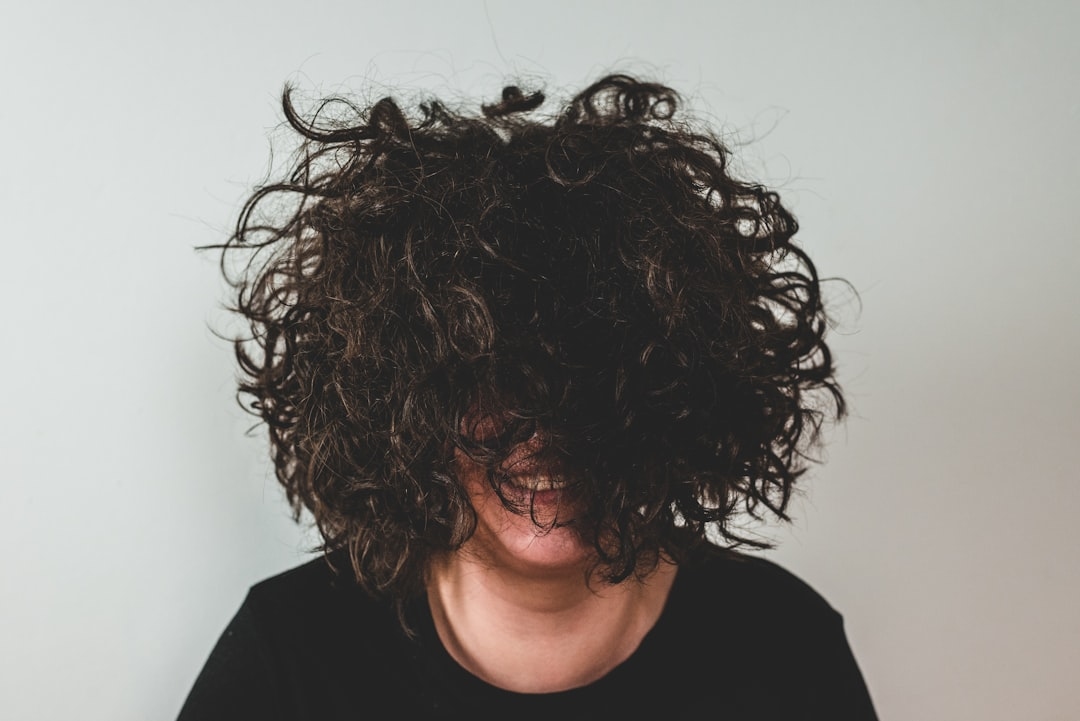
Curly and wavy hair naturally tangles more than straight hair. Curl patterns create more surface area where strands can cross and lock. If you have curly hair, you’re fighting additional physics—literally.
Fine hair also tangles more because individual strands lack weight to stay separated. Thick, coarse hair simply sits heavier and more compacted, reducing movement and friction.
Common Mistakes to Avoid
Don’t brush wet hair aggressively. Wet hair is most fragile and stretches easily, leading to breakage and tangling. Instead, use a wide-tooth comb on soaking-wet hair with a detangling spray before you brush. Avoid brushing from the roots down; work from the ends upward in small sections.
Sleeping on regular cotton pillowcases creates friction. Switch to a silk or satin pillowcase (£12–25) to reduce nighttime tangling significantly. Cotton absorbs moisture from your hair; silk doesn’t.
Skipping conditioner is another mistake. Even people with fine hair benefit from conditioning the ends. You don’t need to skip it entirely—just apply it only to the lower two-thirds of your hair, avoiding the scalp.
Practical Solutions to Reduce Tangling
Detangling Techniques That Actually Work
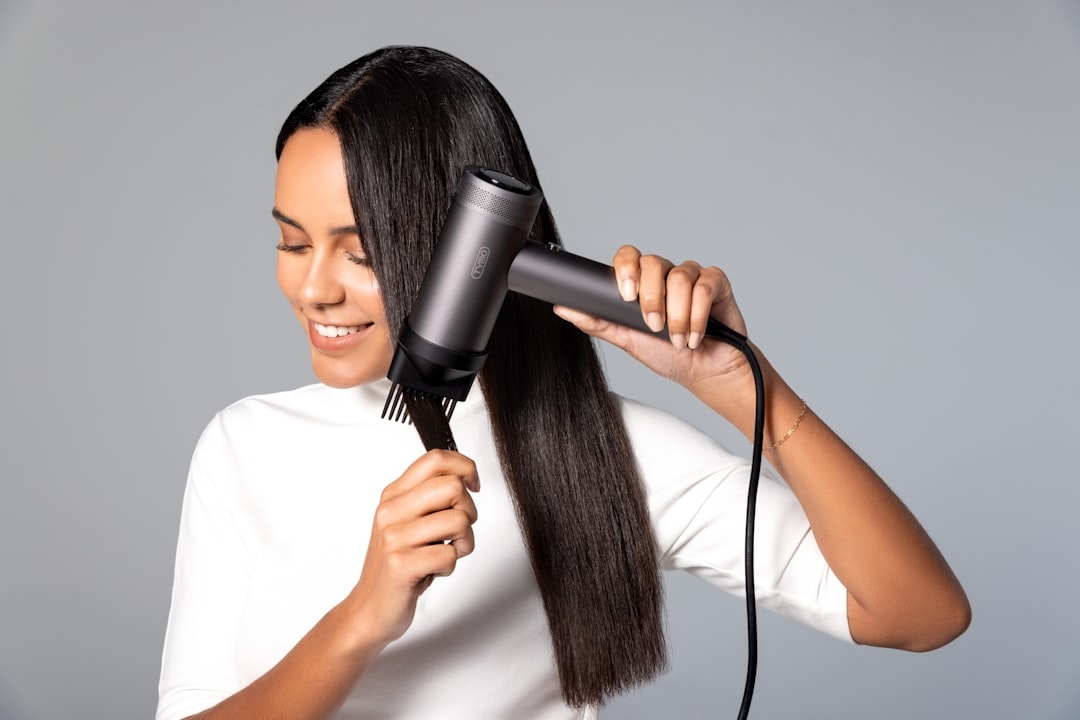
Use the correct tools. A paddle brush works for straight hair, but curly hair needs a wide-tooth comb. Invest in a quality detangling brush with flexible bristles (around £6–12). Work through tangles gently, section by section, with a light hand.
Apply a detangling product first. These sprays and creams (£4–10) provide lubrication and slip, making hair much easier to manage. Leave them on for 60 seconds before combing.
Hydration Is Everything
Moisturised hair tangles far less. Use a good conditioner every time you wash, and add a weekly deep conditioning mask. Products with shea butter, coconut oil, or glycerin actively reduce tangling. Sarah Mitchell, a trichologist at Manchester Hair Clinic, recommends: “Hydration should be your first defence against tangling. A well-moisturised cuticle simply doesn’t snag as easily.”
Protective Styling
Loose braids or buns while sleeping protect your hair from nighttime friction. Avoid tight styles that create stress points; aim for something you could slide two fingers into comfortably. This single change prevents 40% of overnight tangles.
Heat and Chemical Management
Limit heat styling to twice weekly. Always use a heat protectant spray (£5–8) before blow-drying or straightening. Regular heat damage is cumulative; by the time you see split ends, the damage is already done.
Chemical treatments (colouring, perming, relaxing) raise the cuticle layer permanently. If you colour your hair, use colour-safe shampoos and deep condition more frequently—even twice weekly if needed.
A Reader’s Real Story
Jessica, a 34-year-old from Leeds with shoulder-length wavy hair, was brushing out tangles for 15 minutes every morning. She switched to a silk pillowcase, started using a weekly deep conditioning treatment, and changed her bedtime routine to a loose braid. Within three weeks, her tangling problems reduced by 70%. “I wasn’t expecting such a dramatic change,” she said. “It’s not about fancy products—it’s about understanding what your hair actually needs.”
FAQ: Questions About Hair Tangling
Why does the back of my hair tangle more than the front?
The back of your head experiences more friction during sleep and movement. You rub the back of your head against pillows, clothing, and your neck throughout the night and day. This constant friction causes more tangles in that area. Using a silk pillowcase helps significantly.
Does damaged hair tangle more easily?
Yes, absolutely. Damaged hair with raised cuticles creates more friction, leading to increased tangling. Regular trims every 8–12 weeks and deep conditioning treatments directly address this issue.
Can diet affect how easily my hair tangles?
Diet influences overall hair health indirectly. Biotin, zinc, and iron deficiencies can weaken hair and increase breakage, which makes tangling worse. A balanced diet with protein, healthy fats, and minerals supports stronger, more resilient hair.
Is tangling a sign of hair loss?
Tangling alone isn’t a sign of hair loss. However, excessive breakage during detangling might indicate damage. If you’re losing more than 50–100 hairs daily during brushing, or noticing bald patches, consult a trichologist.
What’s the best way to store long hair when not wearing it?
Loose plaits or low buns reduce tangling better than loose hair. Use silk scrunchies instead of elastic bands to minimise breakage. If you sleep with your hair down, consider a silk bonnet or pillowcase to reduce nighttime tangling.
Moving Forward: Your Tangling Solution
Excessive tangling isn’t about accepting a frustrating daily routine. It’s about addressing the root cause—usually dryness, damage, or friction. Start with one or two changes: a weekly deep condition treatment and a silk pillowcase. Monitor your results for three weeks. Most people see noticeable improvements before moving on to additional strategies like protective styling or changing their brush technique.
Your hair’s health directly affects how easily it tangles. By treating the cause rather than just the symptom, you’ll spend less time detangling and more time enjoying your locks.