Contents:
- What Is Volume in Hair?
- The Components of Hair Volume
- Lift and Lift at the Roots
- Texture and Movement
- Density Perception
- How Volume Differs by Hair Type and Texture
- Fine or Thin Hair
- Thick or Coarse Hair
- Curly or Textured Hair
- Wavy Hair
- Regional Hair Volume Expectations
- How to Achieve Volume in Hair: Practical Methods
- Volumising Products
- Blow-Drying for Maximum Volume
- Layering and Cutting
- Teasing and Backcombing
- Hair Thickening Products
- Seasonal Volume Variations
- A Real Example: Creating Volume
- FAQ: Hair Volume
- Can you permanently increase hair volume?
- Is volume the same as hair thickness?
- How long does volume last?
- What products best create volume?
- Does volume damage hair?
- Volume Is Within Your Control
Eighty-three percent of people searching for “how to get volume in hair” are actually searching for “how to make my hair look fuller,” but those aren’t quite the same thing. Volume in hair is a specific term—it’s not just about thickness, and it’s not just about height. Understanding what volume actually means, how to identify it in different hair types, and how to create it intentionally will transform how you style your hair and the results you achieve.
What Is Volume in Hair?
Volume in hair refers to the amount of space your hair occupies. It’s created by a combination of thickness (the diameter of individual hair strands), the number of hairs on your scalp (density), and how the hair is styled or arranged. A person with thin, straight hair can have high volume if they style it with texture and movement. A person with thick, straight hair lying flat against the scalp can have low volume despite hair density. Volume is as much about styling and texture as it is about the hair itself.
Volume is distinct from length, thickness, or density—though all these factors contribute. You can have thin hair with excellent volume through styling, or thick hair with no volume because it’s slicked flat. Real-world volume is the result of both the hair’s natural properties and how you arrange it.
The Components of Hair Volume
Lift and Lift at the Roots
Lift is the vertical height your hair achieves, particularly at the crown and roots. This is the most visible volume component. Hair with good root lift looks fuller and taller. Blow-drying upside-down, using volumising mousses, and teasing at the roots all create lift. Without root lift, even thick hair looks flat and thin.
Texture and Movement
Straight, smooth hair appears less voluminous than textured hair. Waves, curls, or crimped texture create more surface area and movement, which catches light differently and makes hair look fuller. This is why wavy hair appears more voluminous than smooth hair of identical thickness.
Density Perception
The actual number of hairs on your scalp contributes to volume, but perception matters enormously. Strategic styling, layering, and products can make thin hair appear denser. Conversely, poor styling can make thick hair look thin.
How Volume Differs by Hair Type and Texture
Fine or Thin Hair
Fine hair often lacks natural volume because each strand is thin and sits close to the scalp. However, fine hair responds beautifully to styling techniques that create lift and texture. A light mousse, root-lifting blow-dry, and teasing at the crown can create dramatic volume increase. Fine hair with volume can look fuller than thick, flat hair.
Thick or Coarse Hair
Thick hair has inherent volume through density, but can appear flat if styled straight and smooth. Layering, texture, and movement make thick hair’s volume obvious. Thick hair’s main styling challenge is managing that volume rather than creating it.
Curly or Textured Hair
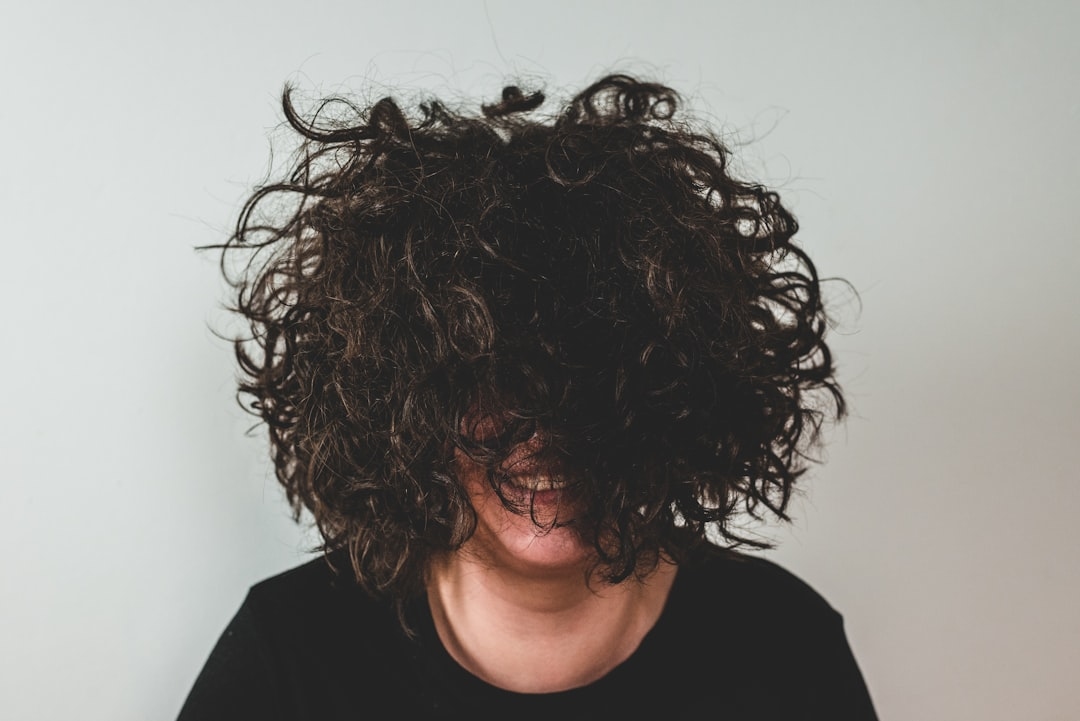
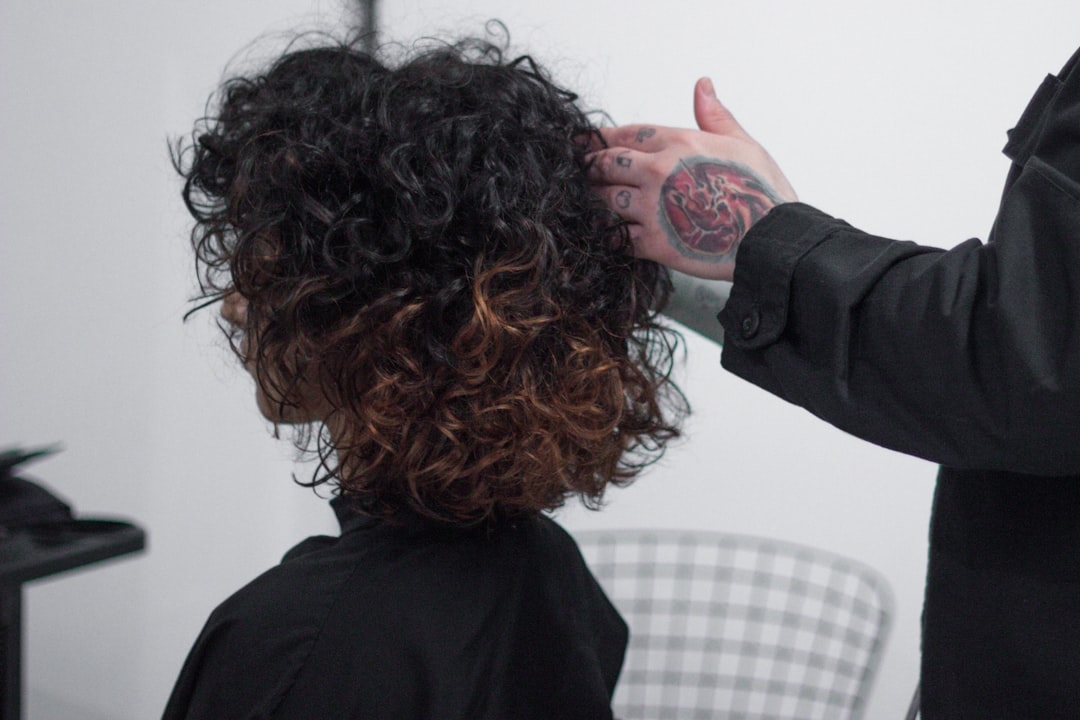
Curly hair naturally has high volume because the curl pattern creates space between strands. However, curly hair also tangles easily and can look dull if not properly defined. Volume in curly hair is about definition and keeping curls separated rather than creating movement.
Wavy Hair
Wavy hair has moderate inherent volume. Styling wavy hair to enhance volume involves encouraging the wave pattern and adding texture through styling or products.
Regional Hair Volume Expectations
Interestingly, UK salon clients in London and the South East typically request “natural volume” while Northern UK clients more often request dramatic volume with lift. This regional aesthetic difference reflects broader style trends: Southern preferences lean toward understated elegance, while Northern preferences embrace bolder, more obvious styling. Neither is correct—it’s about personal preference. But recognising this regional variation helps you understand why your volume goals might differ from others’.
How to Achieve Volume in Hair: Practical Methods
Volumising Products
Mousse (applied to damp hair at the roots, £2-5) provides immediate lift without weight. Volumising sprays (dry shampoo or texturising spray, £2-4) add grip and texture. Lightweight conditioners prevent weighing hair down. Avoid heavy serums and creams if volume is your goal—these flatten hair.
Blow-Drying for Maximum Volume
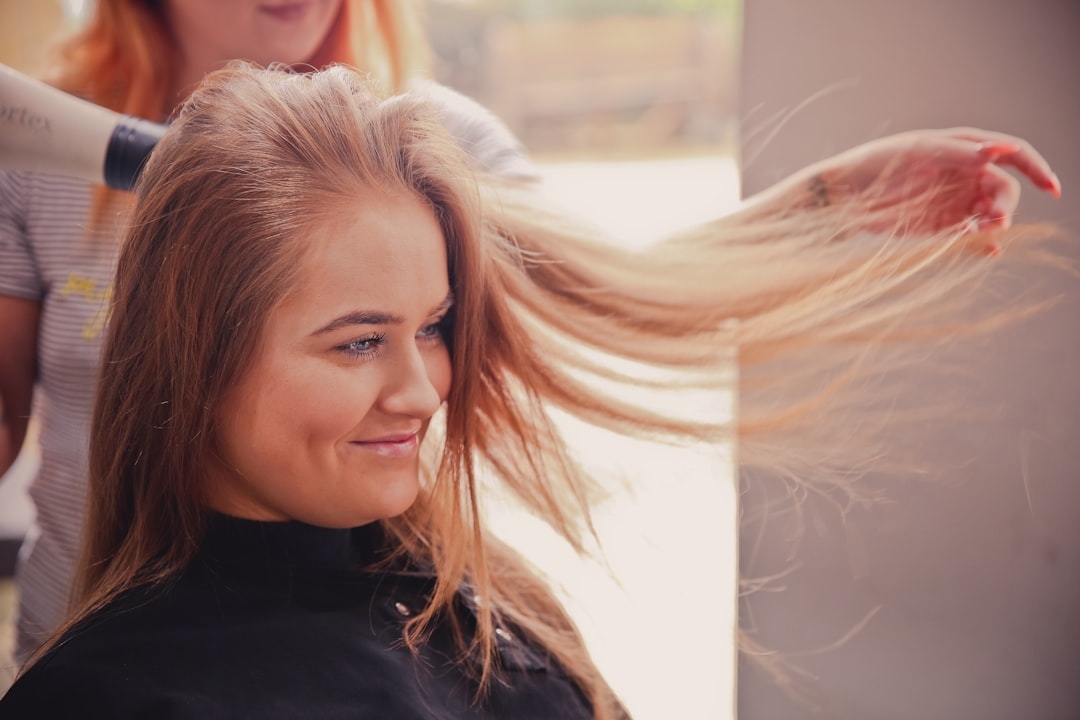
Blow-dry your hair upside-down for 30-60 seconds to set root lift. Use a round brush at the crown to create shape. Finish with cool air to seal the cuticle and lock in volume. This technique works on any hair type and creates volume that lasts 1-2 days.
Layering and Cutting
A good cut with layers creates dimension and allows hair to move rather than hang flat. Ask your stylist for choppy layers if you want obvious texture, or subtle layers for understated volume. Layered cuts require slightly more styling effort but dramatically improve volume potential.
Teasing and Backcombing
Teasing at the roots creates immediate volume. Tease gently at the crown and smooth the top layer, leaving the teased base underneath. This adds height without looking deliberately styled. Teasing works on all hair types and creates volume that lasts through the day.
Hair Thickening Products
Root touch-up sprays (temporary colour that makes hair appear thicker, £3-6) instantly increase volume perception. Thickening fibres (£6-10) cling to hair and create fullness. These are temporary fixes lasting until your next wash but useful for special occasions.
Seasonal Volume Variations
Hair volume fluctuates seasonally. In summer (June-August), humidity causes hair to swell and often increases natural volume. In winter (December-February), dry indoor heating reduces moisture and makes hair appear flatter. Spring (March-May) offers moderate humidity—ideal for maintaining volume without dealing with humidity-induced frizz. Autumn (September-November) is transitional. If you’re struggling to achieve volume, consider the season: winter requires more aggressive volume-building techniques than summer.
A Real Example: Creating Volume
Sarah, a London stylist’s client, has fine, straight hair and felt her hair looked “thin and boring.” She started blow-drying with root-lift technique using mousse, which immediately created visible volume. Within two weeks, she added subtle layers to her cut. By month two, she incorporated a volumising powder at the roots before blow-drying. Her fine hair now has obvious volume—not because the hair changed, but because she learned styling techniques that work with her hair type. She didn’t need expensive treatments; she needed understanding of volume principles applied to her specific hair.
FAQ: Hair Volume
Can you permanently increase hair volume?
Not permanently, but you can improve it semi-permanently through layered cuts and styling technique. Perms create permanent wave patterns, which increases perceived volume. Otherwise, volume requires ongoing styling maintenance. The good news: volume-creating techniques become automatic after a few weeks of practice.
Is volume the same as hair thickness?
No. Thickness is the diameter of individual hair strands and is largely genetic. Volume is the space hair occupies and is created through styling, texture, and technique. Thin hair can have high volume through good styling. This distinction is important because it means you’re not limited by hair thickness alone.
How long does volume last?
Volume created through styling (blow-drying, teasing) lasts 1-3 days, depending on hair type and humidity. Volume from cuts (layering) lasts until your hair grows out (4-6 weeks before needing a trim). Volume from products lasts until washing. Plan accordingly based on your commitment level.
What products best create volume?
Mousse at the roots (£2-5), volumising spray (£2-4), and dry shampoo (£2-3) are most effective. Lightweight conditioners preserve volume better than heavy ones. Avoid silicone-heavy products that weigh hair down. Budget products work as well as premium options for volume creation.
Does volume damage hair?
Volume-creating techniques (blow-drying, teasing, styling) cause minimal damage if done properly. Heat protectant reduces blow-dry damage. Gentle teasing avoids breakage. Most volume methods are sustainable long-term, unlike aggressive heat styling or chemical treatments.
Volume Is Within Your Control
Volume isn’t something you’re born with permanently—it’s created through understanding your hair type, choosing the right cut and products, and mastering a few styling techniques. Start with one technique (root lift blow-drying is easiest) and master it. Add another technique after two weeks. Most people achieve their desired volume within a month. The effort required is minimal—5-10 minutes of styling daily—and the visual transformation is dramatic. Your hair’s volume potential is waiting. Unlock it with the right approach, and you’ll never feel like your hair lacks presence again.