Contents:
- Understanding Hair Colour and Why Bleach Isn’t Necessary
- How to Dye Hair Grey Without Bleach: Starting Colour Matters
- Grey Without Bleach: Starting from Light Brown to Dark Brown
- Starting from Blonde Hair
- Starting from Black or Very Dark Hair
- Semi-Permanent vs. Demi-Permanent: Understanding the Difference
- Semi-Permanent Dyes
- Demi-Permanent Dyes
- Common Mistakes to Avoid When Achieving Grey Without Bleach
- The Toning Strategy for No-Bleach Grey
- Expert Application: Insights from Professional Colourists
- Cost Breakdown for Grey Hair Transformation (2026)
- DIY Budget Approach (3-Month Timeline)
- DIY Mid-Range Approach (3-Month Timeline)
- Professional Application Approach (3-Month Timeline)
- Maintaining Grey Hair Without Bleach
- Weekly Toning Routine
- Touch-Up Timeline
- Conditioning Protocol
- FAQ: Grey Hair Without Bleach Questions
- Can semi-permanent dye damage hair as much as bleach?
- Will grey dye work on previously bleached hair?
- How many applications of semi-permanent dye does it take to achieve grey on dark brown hair?
- Does purple shampoo alone turn hair grey?
- What if I don’t like the grey and want to change it?
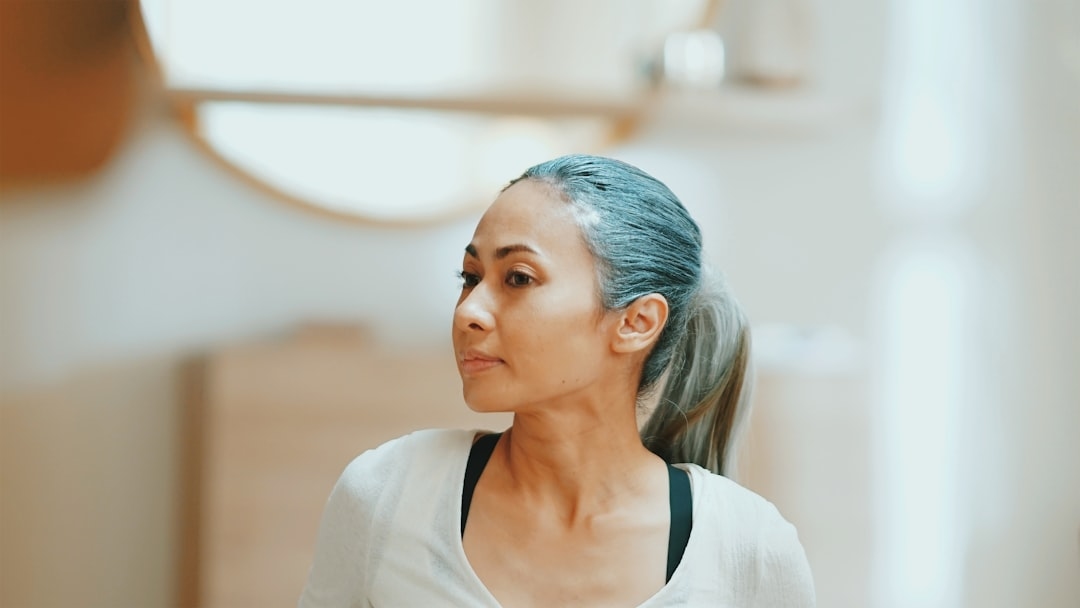
The Victorians adored grey hair, bleaching and powdering theirs to achieve silvery locks considered sophisticated. Modern grey hair trends lean toward authentic silver, ash, and dove grey tones achieved through gentler methods than 1980s bleaching. How to dye hair grey without bleach has become mainstream precisely because contemporary techniques deliver stunning results whilst protecting scalp and strand health. This method works for dark hair and light hair alike, using semi-permanent dyes, toning strategies, and targeted colour deposition.
Understanding Hair Colour and Why Bleach Isn’t Necessary
Bleach strips all pigment from hair, creating a canvas for colour absorption. However, semi-permanent dyes work differently. They contain pigments that deposit onto the hair surface and into the outer cuticle layer without requiring pigment removal. This distinction matters enormously.
Semi-permanent dyes (lasting 8–12 weeks) rely on physical deposition rather than chemical lifting. They bond with existing pigment, gradually building grey tone over multiple applications. Permanent dyes deposit within the hair cortex, requiring bleach first on most starting colours. Semi-permanent alternatives achieve grey without this damaging step.
Toning involves using purple, blue, or ash shampoos that neutralize warm undertones—yellows and oranges—making hair appear greyer and cooler. This method costs nothing if you already own shampoo, yet delivers noticeable results within 1–2 weeks.
How to Dye Hair Grey Without Bleach: Starting Colour Matters
Your natural or current hair colour determines which method works best.
Grey Without Bleach: Starting from Light Brown to Dark Brown
This is the ideal starting point. Brown hair contains warm undertones that shift to grey when neutralized. Apply semi-permanent ash grey dye (brands: Schwarzkopf, Directions, Manic Panic) to clean, dry hair. Leave on for 30–45 minutes. Results appear immediately after rinsing, with tone deepening over 2–3 wash cycles.
Cost: £12–£20 per application. Professional application (£80–£150) ensures even distribution, particularly important at the back and sides. Results last 8–12 weeks, gradually fading to a lighter grey tone. Repeat applications deepen the shade. Most people achieve desired grey within 2–3 applications.
Starting from Blonde Hair
Blonde hair already has minimal warm pigment, making grey achievement straightforward. Apply semi-permanent ash or platinum dye directly. Alternatively, use toning shampoo alone—many blondes achieve grey-blonde simply through purple shampoo, £5–£10 per bottle, used twice weekly. Results visible within one week.
Platinum-toned semi-permanent dyes deposit strongest on light hair, creating very cool, metallic-looking grey. Use lighter concentration (dilute dye with conditioner in 1:1 ratio) for more subtle grey tones.
Starting from Black or Very Dark Hair
Black hair poses challenges for bleach-free grey because the dark pigment resists semi-permanent dye deposition. However, results are achievable through layering. Step one: apply semi-permanent ash grey. Step two: repeat weekly for 3–4 weeks. Each application deposits pigment gradually. After four weeks, grey tone emerges—not as bright as lighter-starting hair, but noticeably grey.
Alternatively, use a demi-permanent grey dye (lasting 24–28 shampoos) formulated for dark hair. Brands like Drybar and L’Oréal make dark-to-grey specific products. These last longer than semi-permanent (12–16 weeks versus 8–12) but cost more (£20–£35).
For very dark hair wanting strong grey, consider transitional timing. Allow natural regrowth to show (approximately 1cm monthly) creating a shadow-root effect. The lighter regrowth acts as base for grey dye, resulting in visible grey tone within 4–6 weeks.
Semi-Permanent vs. Demi-Permanent: Understanding the Difference
Semi-Permanent Dyes
These contain no ammonia or peroxide. Pigments coat the hair surface and lodge in the outer cuticle. They wash out gradually over 8–12 weeks. Cost: £8–£20. Results fade uniformly, transitioning from grey to your natural colour. No root regrowth line appears because the dye fades rather than demarcates.
Advantage: Least damaging, most forgiving if colour isn’t desired. Disadvantage: May not show on very dark hair; may appear patchy on previously coloured hair with uneven porosity.
Demi-Permanent Dyes
These contain small amounts of peroxide (typically 3–6 volume) allowing partial pigment penetration. They last 24–28 shampoos—approximately 12–16 weeks. Cost: £15–£35. Pigment deposits deeper than semi-permanent, creating more noticeable grey tone that lasts longer. Dyes this category include Schwarzkopf Igora, L’Oréal, and Wella T-series.
Advantage: More visible on dark hair; longer-lasting grey tone. Disadvantage: Slightly more damaging than semi-permanent (due to peroxide); creates visible regrowth line as dye fades, requiring touch-ups every 12–14 weeks.
Common Mistakes to Avoid When Achieving Grey Without Bleach
Mistake 1: Expecting Results on Unwashed Hair Product buildup, oils, and silicones prevent dye deposition. Wash hair 24–48 hours before application to remove buildup whilst retaining natural scalp oils for protection. Clarifying shampoo removes residue better than regular shampoo.
Mistake 2: Over-Saturating Hair Applying too much dye doesn’t create greyer hair—it creates an uneven, patchy mess. Use only enough to fully coat each section, usually 30–50ml for shoulder-length hair. Divide hair into four sections and work methodically through each.
Mistake 3: Inconsistent Timing Leaving dye on 20 minutes versus 45 minutes produces different shades. Use a timer. Longer timing (40–45 minutes) creates darker, more saturated grey. Shorter timing (25–30 minutes) creates lighter, ashier tones. Consistency across applications ensures predictable results.
Mistake 4: Wrong Toning Shampoo Purple shampoo neutralizes yellow. Blue shampoo neutralizes orange. Using purple shampoo on very warm, orange-toned hair doesn’t work—it needs blue first. Test shampoo on a damp strand before committing to full application.
Mistake 5: Ignoring the Fade Pattern Semi-permanent dye fades fastest from porous areas—typically the mid-lengths and ends. These areas often appear greyer initially, becoming lighter over weeks. Plan for this uneven fade by applying slightly more dye to roots and less to ends during initial application.
The Toning Strategy for No-Bleach Grey
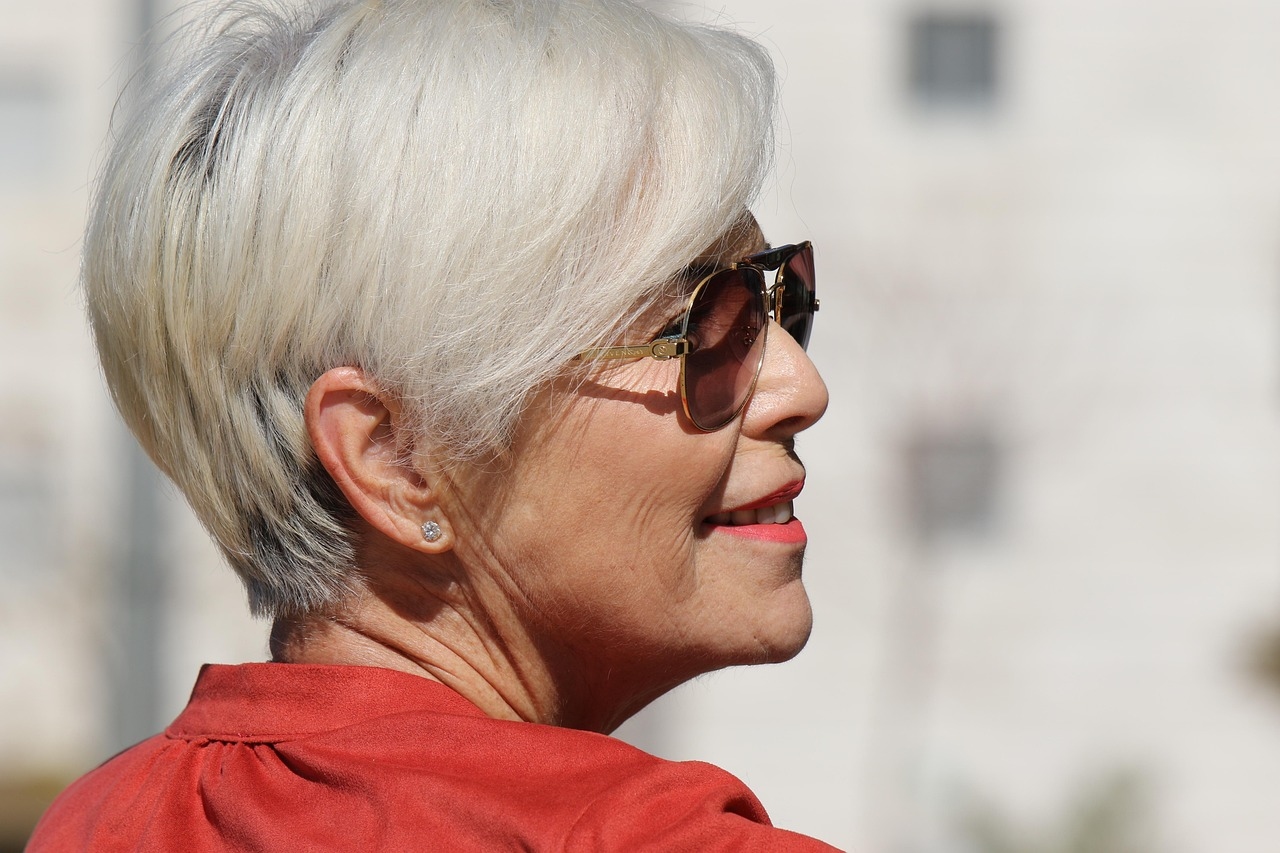
Toning shampoos gradually neutralize warm tones, creating grey appearance without any dye application. This works best on light brown to blonde hair. Wash hair with purple shampoo (neutralizes yellow) or blue shampoo (neutralizes orange) twice weekly for 3–4 weeks. Cost: £5–£15 per bottle, lasting 8–12 washes.
Results timeline: week one (subtle cooling, hair appears less brassy), week two (visible grey-blonde tone), week three (pronounced grey-silver tone), week four (maximum grey tone achieved). Leave toning shampoo on hair for 5–10 minutes—longer contact time increases effect.
Limitation: Toning shampoo works only to shift existing warm tones to cool tones. It doesn’t create grey on brown or dark hair that lacks this cool-tone potential. On these hair types, combine toning with semi-permanent grey dye.
Expert Application: Insights from Professional Colourists
Sarah Mitchell, senior colourist at London’s Colour Lab Studio, explains: “The secret to grey without bleach is layering application. I apply semi-permanent grey, then use blue or purple shampoo between applications. The combination of dye pigment plus toning creates a grey tone that rivals bleached results. Most people expect one application to transform brown hair to grey—unrealistic. Three applications over six weeks? Absolutely achievable.” Mitchell emphasizes that semi-permanent dyes work through deposition and saturation, not chemical lifting, making multiple applications the standard approach for darker starting colours.
Cost Breakdown for Grey Hair Transformation (2026)
DIY Budget Approach (3-Month Timeline)
- Semi-permanent dye (3 applications): £36 (£12 × 3)
- Purple toning shampoo: £8
- Colour-safe conditioner: £10
- Total: £54
DIY Mid-Range Approach (3-Month Timeline)
- Demi-permanent dye (2 applications): £60 (£30 × 2)
- Professional-grade toning shampoo: £18
- Deep conditioning treatment: £15
- Colour-protecting hair oil: £20
- Total: £113
Professional Application Approach (3-Month Timeline)
- Professional grey colouring (2 sessions): £280 (£140 × 2)
- Glossing toner appointment: £50
- Salon-grade products (shampoo, conditioner, oil): £60
- Total: £390
Maintaining Grey Hair Without Bleach
Weekly Toning Routine
Use purple or blue shampoo once weekly to maintain cool tone. Cost: minimal (you’d buy conditioner anyway). This prevents the warm, yellowy-brown tone that emerges as semi-permanent dye fades.
Touch-Up Timeline
Semi-permanent dye requires reapplication every 8–12 weeks as it washes out completely. Demi-permanent dye requires touch-ups every 12–16 weeks, though fading becomes visible around week 8. Plan appointments accordingly. Cost: £12–£35 per touch-up.
Conditioning Protocol
Colour-treated hair needs weekly deep conditioning (£6–£20 per treatment) to maintain softness and shine. Dye molecules escape from damaged, porous hair faster than healthy hair. Conditioning extends colour longevity by 2–3 weeks. This investment multiplies when calculated across multiple dye applications.
FAQ: Grey Hair Without Bleach Questions
Can semi-permanent dye damage hair as much as bleach?
No. Semi-permanent dyes contain no peroxide or ammonia, making them significantly gentler than bleach or permanent dye. They may slightly dry hair if applied repeatedly without conditioning, but damage is minimal. Bleach causes structural damage; semi-permanent causes temporary dryness at worst. This makes bleach-free grey ideal for damaged or fine hair.
Will grey dye work on previously bleached hair?
Yes, excellently. Bleached hair is porous and absorbs semi-permanent dye readily. Results appear immediately and deeply saturated. Bleached hair retains grey colour longer than unbleached hair due to porosity. Use semi-permanent dyes formulated for lightened hair, which deposit pigment more efficiently.
How many applications of semi-permanent dye does it take to achieve grey on dark brown hair?
Typically 3–4 applications over 4–6 weeks. Each application deposits pigment gradually. Week one: subtle tone shift. Week two: cooler appearance emerging. Week three: visible grey tone. Week four: strong grey tone established. Patience is essential; expecting transformation in one application leads to disappointment.
Does purple shampoo alone turn hair grey?
No. Purple shampoo neutralizes yellow undertones, shifting brassy blonde toward cooler tones. This creates the appearance of grey-blonde on light hair, but doesn’t create true grey on brown or dark hair. Combine toning shampoo with semi-permanent dye for brown-to-grey transformation.
What if I don’t like the grey and want to change it?
Semi-permanent dye fades naturally over 8–12 weeks, returning you to your natural colour. Alternatively, apply a new semi-permanent colour over existing grey dye. Semi-permanent dyes layer well—ash brown over ash grey creates a deeper brown-grey. Demi-permanent and permanent dyes over semi-permanent create mixed results; consult a professional if switching to permanent colour.
Grey hair without bleach has become the modern standard because semi-permanent dyes deliver beautiful, lasting results whilst protecting hair health. The approach requires patience—layering applications over several weeks rather than expecting single-appointment transformation. For dark hair, this timeline is non-negotiable; for blonde hair, toning alone may suffice. Budget £50–£150 for DIY grey over three months, or £280–£400 for professional results. Most people find the softer approach worth the extra applications simply to avoid scalp damage, bleach odour, and the brittleness that accompanies traditional bleaching.