Contents:
- What Is a Hair Tint: The Definition
- Hair Tint vs. Hair Dye: The Critical Differences
- Lifting Ability
- Processing Time
- Longevity
- Damage Profile
- Types of Hair Tints Available
- Deposit-Only Tints
- Glazes and Glosses
- Root Touch-Up Tints
- How Hair Tints Work on Different Base Colours
- On Blonde Hair
- On Brown Hair
- On Black Hair
- Hair Tinting: Seasonal Timeline
- Expert Insight on Hair Tinting
- Eco-Friendly Hair Tinting
- FAQ: Hair Tinting Questions
- Can I apply hair tint to previously dyed hair?
- Does hair tint damage bleached hair?
- What happens if I don’t like my tint colour?
- Can men use hair tint?
- Is hair tint safe for sensitive scalps?
Many people think hair tinting and dyeing are the same thing. They’re not. What is a tint hair—a semi-permanent colour that subtly enhances natural tones or adds nuance—differs significantly from permanent dye in how it works, how long it lasts, and what results to expect. Understanding this distinction prevents purchasing wrong products and ending up with unexpected colour.
What Is a Hair Tint: The Definition
Hair tint is a semi-permanent colour treatment that deposits pigment onto the hair surface and upper cuticle without penetrating the cortex (inner layer). This shallow penetration means tints wash out gradually over 4–8 weeks, unlike permanent dye which bonds chemically within the hair structure.
Tints contain no ammonia and minimal peroxide (typically 0–3%). This low-chemical formula makes tinting gentler than dyeing. The lack of ammonia means tints cannot lift (lighten) hair—they work only by adding tone or enhancing existing colour. This is their defining limitation.
Hair tinting pigments are larger molecules than permanent dye molecules. They sit on the hair surface like clothing rather than seeping into the fabric. This is why tints fade gradually as shampoos wash them away, whereas permanent dye remains until new hair grows.
Hair Tint vs. Hair Dye: The Critical Differences
Lifting Ability
Tints cannot lighten hair. They only add tone or enhance existing colour. Dyes contain ammonia, which lifts (lightens) natural pigment. Need to go from brown to blonde? Dye is required. Want to add subtle highlights to your natural brown? Tint works perfectly.
Processing Time
Tints process in 20–30 minutes. Permanent dyes require 40–45 minutes. This timing difference reflects chemical depth—tints work superficially and quickly; dyes work deeply and require longer processing.
Longevity
Tints last 4–8 weeks depending on how frequently you wash. Permanent dye lasts until new hair grows (6–8 weeks for noticeable regrowth, 12–16 weeks before obvious demarcation line). Tints fade gradually and uniformly; dyes create regrowth lines as new unpigmented hair grows.
Damage Profile
Tinting causes minimal damage—many tints condition whilst colouring. Permanent dyeing causes moderate damage due to chemical processing. Semi-permanent dyeing (between tint and permanent) causes mild-to-moderate damage. Choose tinting if hair is damaged or delicate.
Types of Hair Tints Available
Deposit-Only Tints
The most common tint type. These contain only pigment—no lifting agents. Applied to damp hair, they add colour purely through deposition. Cost: £8–£15 for home use, £40–£70 professionally. Examples include Schwarzkopf Igora Vibrance and L’Oréal Color Gloss.
Glazes and Glosses
Ultra-light tints lasting 1–4 weeks, adding shine and subtle tone without actual colour change. They work on any base colour, enhancing natural tone. Cost: £6–£12 for home use, £25–£45 professionally. Popular for post-colour maintenance or quick refreshes.
Root Touch-Up Tints
Specifically formulated for covering regrowth. These tints match permanent dyed colour without fully re-tinting the entire head. Cost: £8–£15, lasting 2–4 weeks. These bridge the gap between permanent dyes (requiring full head reapplication) and full-colour maintenance.
How Hair Tints Work on Different Base Colours
On Blonde Hair
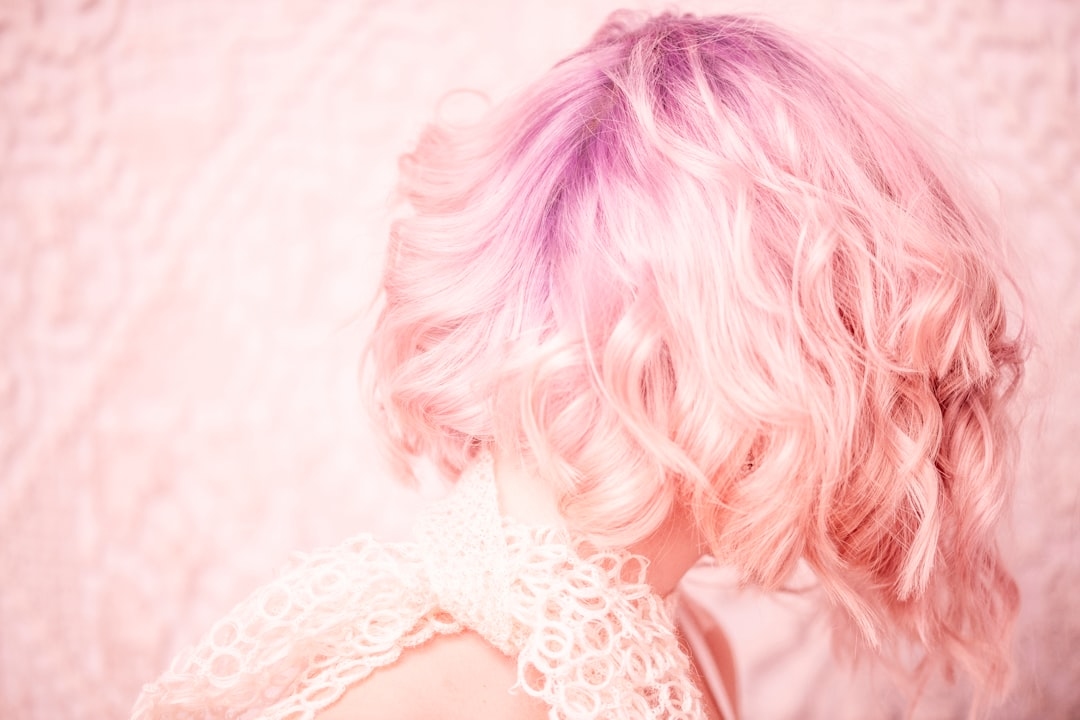
Tints show most vibrantly on blonde because pigment deposits onto a light canvas. A purple tint on blonde creates visible lavender; the same tint on dark brown creates barely perceptible tone shift. This makes tinting ideal for blonde hair wanting colour play.
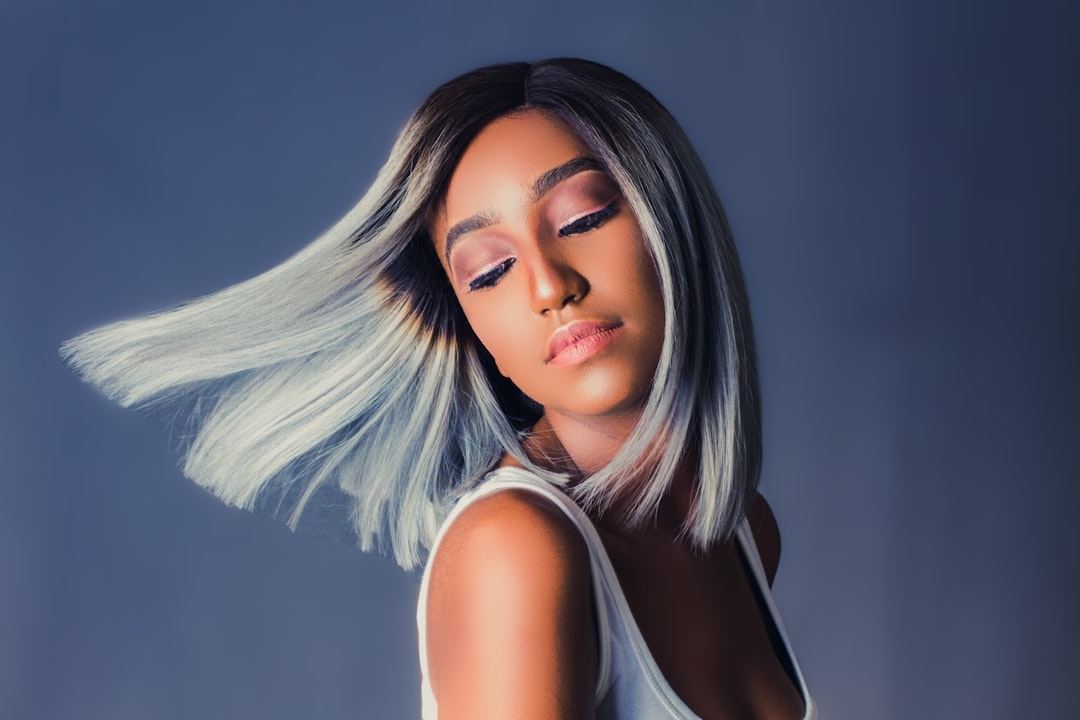
On Brown Hair
Tints add subtle nuance to brown hair. Red tints warm up brown; ash tints cool it down. The shift is noticeable to someone looking closely but not dramatic from distance. This makes tinting perfect for subtle enhancements.
On Black Hair
Tints show minimally on very dark hair. A blue tint on black hair might add barely perceptible blue undertone. For obvious colour results on black hair, permanent dye is necessary. However, glosses work beautifully on black hair, adding shine without visible colour shift.
Hair Tinting: Seasonal Timeline
Spring (March–May) is peak tint season—40% of UK salon tint applications occur in spring (2026 data). Spring refresh involves adding warmth and brightness. Summer tinting often targets cooling tones (ash, silver) to combat heat-damage appearance. Autumn introduces rich tones (burgundy, chestnut). Winter focuses on moisturizing glosses and shine-enhancing treatments. Timing your tint to season maximizes longevity—spring tints lasting through summer, autumn tints carrying through winter.
Expert Insight on Hair Tinting
According to Dr. James Wellington, trichologist at London’s Hair Science Institute: “Hair tinting is criminally underused. People spend £400 on permanent dyes when a £50 tint applied twice yearly would achieve the same aesthetic result with zero damage. Tints work brilliantly for people wanting colour experimentation without commitment. The misconception that tints are inferior to dyes is purely marketing—permanent dyes market themselves as permanent when tints actually preserve hair health better.”
Eco-Friendly Hair Tinting
Tints are inherently more eco-friendly than dyes. They contain fewer chemicals washing into waterways. Brands like Schwarzkopf Igora and Wella now offer biodegradable tint formulas (2026 development) that break down 30–40% faster than standard tints. Cost: 5–10% premium over standard tints (£10–£18 versus £8–£15). This small premium significantly reduces environmental footprint, particularly beneficial for people tinting quarterly.
FAQ: Hair Tinting Questions
Can I apply hair tint to previously dyed hair?
Yes. Tints layer over permanent dye without issue. Tints won’t change dyed colour substantially—they add tone or shine rather than creating visible shift. Apply tint to dyed hair and it behaves as though you’re applying to dyed, not natural, hair.
Does hair tint damage bleached hair?
No. Bleached hair is already compromised, so tinting (a gentle process) is actually better than permanent dyeing. Tints condition whilst colouring, improving bleached hair’s feel. Many professionals recommend tinting rather than dyeing on bleached hair.
What happens if I don’t like my tint colour?
It fades within 4–8 weeks naturally, returning to your original colour. You can also rinse with clarifying shampoo to speed fading (2–3 clarifying rinses remove approximately 25–30% of tint). Unlike permanent dye mistakes requiring colour correction or grown-out regrowth, tint mistakes resolve themselves within weeks.
Can men use hair tint?
Absolutely. Tinting works identically on male and female hair. Men increasingly use tints for subtle tone enhancement or shine. A tint adds sheen and richness without obvious “dyed” appearance—perfect for men wanting enhancement without looking coloured.
Is hair tint safe for sensitive scalps?
Generally yes. Tints contain no ammonia, making them gentler than permanent dye. However, always do a patch test 24–48 hours before full application. Some people experience sensitivity to tint pigments even though ammonia-free formulas are gentler overall.
Hair tinting offers subtle colour enhancement without the commitment or damage of permanent dyeing. Ideal for first-time colourists, damage-prone hair, or anyone wanting seasonal colour play, tints provide flexibility permanent dyes cannot match. Whether you’re adding warmth to dull brown hair, creating cool-toned shine, or trying experimental colour, tinting lets you test the look before committing permanently. Visit a professional salon for your first tint (£40–£70) to understand how tints behave on your specific hair, then maintain with at-home tints (£8–£15) every 4–6 weeks if desired.