Contents:
- Why Sun Damage Matters: Understanding the Real Threat
- How to Protect Hair from Sun: Physical Barriers First
- Hats and Headwear
- Protective Styling Techniques
- Chemical and Topical Protection Methods
- UV-Protective Hair Products
- What the Pros Know
- Natural and Plant-Based Options
- Regional Considerations: Tailoring Protection to Your Climate
- Northeast and Northern UK
- South Coast and Southern England
- West Coast and Coastal Areas
- Daily Habits That Protect Hair from Sun Damage
- Timing Your Outdoor Activities
- Moisture Management
- Swimming and Salt Water
- Post-Sun Hair Care and Recovery
- Immediate Aftercare
- Weekly Deep Conditioning
- Protecting Coloured and Treated Hair
- Budget-Friendly Protection Strategies
- Frequently Asked Questions
- How often should I apply UV-protective products?
- Can you reverse sun damage to hair?
- Which hair types need the most sun protection?
- Does sunscreen for skin work on hair?
- Is there a best time of year to avoid sun exposure for hair?
- Putting It All Together: Your Sun Protection Plan
Your hair faces the same threat from UV rays that your skin does—yet most people neglect sun protection entirely. Unlike sunburn, which appears within hours, sun damage to hair creeps up slowly, turning lustrous locks into brittle, faded strands. The good news? You can prevent this damage with practical, accessible strategies that work whether you’re sunbathing at Brighton Beach or simply running errands in your neighbourhood.
Why Sun Damage Matters: Understanding the Real Threat
The sun’s ultraviolet rays penetrate the hair shaft and break down the proteins that give your hair its strength and elasticity. UV exposure weakens the hydrogen bonds holding your hair’s structure together, which is why sun-exposed hair becomes dry, brittle, and prone to breakage. The cuticle—your hair’s protective outer layer—begins to lift, allowing moisture to escape.
Hair colour suffers too. The sun bleaches pigment molecules, particularly affecting darker shades. Brunettes fade to muddy bronze tones, whilst reds turn orange and blondes develop brassy yellows. This fading accelerates dramatically if you’ve had your hair coloured, as permanent colour lacks the natural oil protection of virgin hair.
Research shows that hair exposed to direct sun for just two weeks can experience measurable damage in the outer cortex. For those in sunny regions like the South Coast or Mediterranean climates, the damage compounds throughout summer.
How to Protect Hair from Sun: Physical Barriers First
The most effective defence remains the simplest: physical protection. Your scalp and hair benefit dramatically from coverage that blocks or reduces UV exposure.
Hats and Headwear
A wide-brimmed hat—at least three inches all around—offers substantial protection. Canvas or tightly-woven fabrics block more UV rays than loosely-knit materials. A straw hat with a loose weave provides surprisingly little protection; opt instead for densely woven hats rated with a UPF (Ultraviolet Protection Factor) of 50+.
For smaller apartments or city living where you’re mainly popping out for short periods, keeping a compact sunhat in your bag works beautifully. Baseball caps protect the crown and face but leave the back of your neck and lower hair exposed—pair them with another protective method for complete coverage.
Silk or satin scarves tied around your head or as headwraps offer protection whilst looking stylish. These fabrics are gentler on hair than cotton, reducing friction that causes breakage.
Protective Styling Techniques
How you arrange your hair influences sun damage exposure. Loose, flowing styles expose more surface area to UV rays. Buns, braids, and twisted styles reduce the hair’s surface exposure. This is particularly effective for the crown—your hair’s most sun-exposed area when outdoors.
Whilst protective styling isn’t a complete solution, combining it with hats creates a powerful double barrier. The tighter your updo, the less surface area absorbs UV radiation.
Chemical and Topical Protection Methods
Products containing UV filters form a protective barrier on your hair’s surface, absorbing or reflecting UV rays before they penetrate the hair shaft.
UV-Protective Hair Products
Leave-in conditioners and hair serums with UV filters offer convenient protection for daily use. Products containing ingredients like avobenzone, octyl methoxycinnamate, or titanium dioxide absorb or deflect UV rays. Apply these to damp hair before styling, focusing on mid-lengths and ends where damage typically concentrates.
UK-based brands offer UV-protective products ranging from £8 to £25 per product. Apply approximately 5-10ml to shoulder-length hair for adequate coverage. These products work best when reapplied after swimming or excessive sweating.
Sprays with UV filters provide quick, lightweight protection. Shake well before use and apply evenly, holding the bottle 15cm from your hair. Spray sunscreens for hair aren’t as thorough as leave-in products but suit those with limited time or minimal product buildup preferences.
What the Pros Know
Trichologist Dr. Emma Hartley emphasises that combining methods produces superior results: “Using a UV-protective product underneath a physical barrier—like a hat or scarf—creates redundancy in your sun defence. If one method fails, you still have protection. Most of my clients in the South West who use both approaches maintain noticeably better colour vibrancy and hair condition than those relying on single methods.”
Natural and Plant-Based Options
Some plant extracts offer modest UV protection. Coconut oil contains compounds that filter approximately 20% of UV rays—better than nothing, but insufficient as a primary defence. Sesame oil and rosemary extract provide similar limited protection.
These work best layered with stronger protection methods. Apply natural oils to damp hair, then follow with a dedicated UV-protective product or hat. Avoid relying solely on natural options for extended sun exposure.
Regional Considerations: Tailoring Protection to Your Climate
Sun damage varies dramatically by region, affecting how aggressively you should protect your hair.
Northeast and Northern UK
Lower UV intensity and shorter summer seasons mean fewer damage-risk days. Focus on protection during the six weeks of peak summer (late June through August) and whenever you’re on beach holidays. Daily UV-protective products might be overkill; reserve them for sunny days and outdoor activities.
South Coast and Southern England
Higher UV intensity and longer, sunnier summers demand more consistent protection strategies. Consider UV-protective products as part of your regular styling routine from April through September. Hat-wearing becomes genuinely important, not just optional.
West Coast and Coastal Areas
Reflection from water and sand increases UV exposure significantly. Coastal dwellers should treat hair protection as seriously as skin protection. The combination of direct sun plus reflected rays means you’re receiving double the UV exposure compared to inland locations. This makes the “double barrier” approach (physical protection plus product) essential rather than optional.
Daily Habits That Protect Hair from Sun Damage
Timing Your Outdoor Activities
UV intensity peaks between 11:00 and 15:00. If possible, schedule outdoor activities outside these hours. An afternoon shift from 15:30 onwards means significantly reduced UV exposure. This isn’t always practical, but even shifting activities 90 minutes earlier or later reduces damage substantially.
Moisture Management
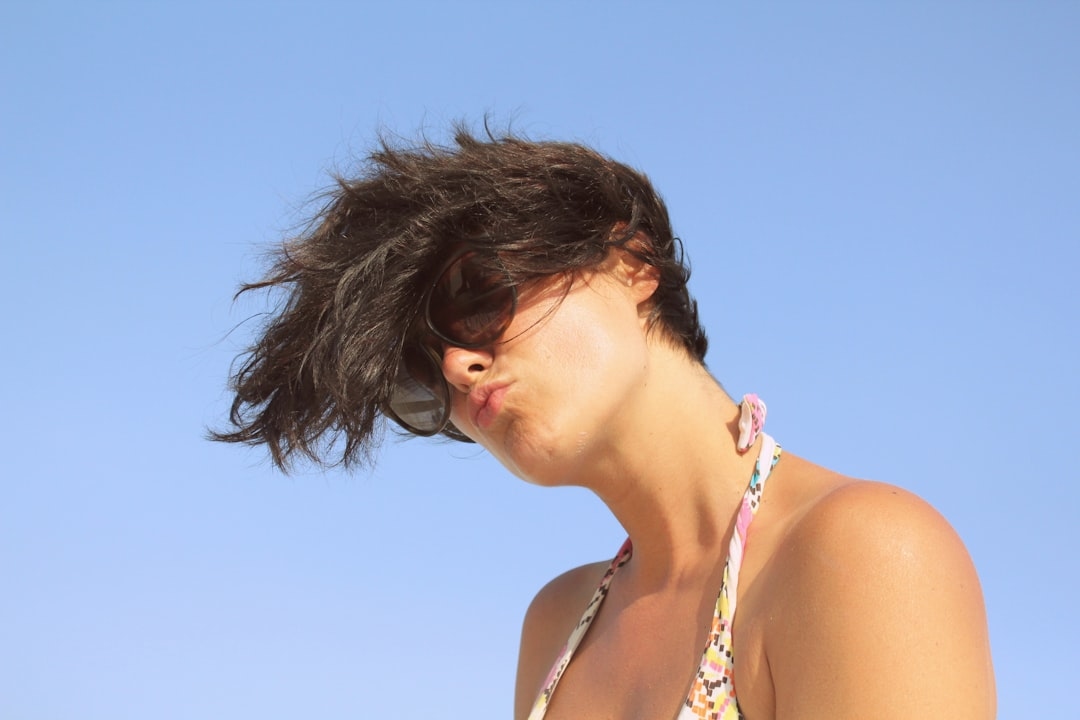
Sun-damaged hair loses moisture rapidly. Pre-protect by deep-conditioning your hair before extended sun exposure. Fully hydrated hair contains more water, which provides marginal insulation against UV penetration. Use a conditioning treatment two hours before sun exposure, allowing time to fully absorb.
Post-sun exposure, rinse your hair with cool water to seal the cuticle. Warm or hot water opens the cuticle, allowing moisture to escape—precisely what sun-damaged hair doesn’t need.
Swimming and Salt Water
Chlorine and salt water strip away protective oils and open the hair cuticle, making your hair even more vulnerable to UV damage. Always wet your hair with fresh water and apply a leave-in conditioner before swimming. The fresh water creates a barrier, reducing chlorine and salt penetration.
After swimming, rinse thoroughly with cool fresh water, then apply a conditioning treatment. Swimming in sun—a double assault—requires maximum protection: UV-protective product underneath your swimwear and a swim cap whenever possible.
Post-Sun Hair Care and Recovery
Immediate Aftercare
After sun exposure, your hair needs recovery support. Rinse with cool water to close the cuticle, then apply a lightweight leave-in conditioner. Avoid blow-drying immediately after sun exposure; let hair air-dry whenever possible. Heat styling compounds sun damage, creating a cumulative weakening effect.
If you must style, use a heat protectant spray (ideally one with UV filters too) and keep temperatures below 200°C. A ionic hair dryer reduces frizz better than older models when your hair’s cuticle is disrupted.
Weekly Deep Conditioning
Establish a weekly deep-conditioning routine during summer months. Protein treatments help strengthen hair weakened by UV exposure, whilst moisture-intensive masks restore hydration. Alternate between protein and moisture treatments—use protein one week, hydrating masks the next—to maintain balance.
Leave treatments on for the recommended time (typically 10-20 minutes). Longer isn’t better; follow package instructions to avoid product buildup.
Protecting Coloured and Treated Hair
Hair that’s been bleached, dyed, permed, or relaxed requires aggressive sun protection. Chemical treatments compromise the hair’s internal structure, making it exponentially more vulnerable to sun damage. UV rays fade colour faster and worsen any existing damage.
For colour-treated hair, add an extra layer of protection: use both a UV-protective product and physical barriers (hats or protective styling). Replace UV-protective products more frequently—every two months rather than annually. Reduce heat styling to once or twice weekly maximum during summer.
Schedule colour-safe treatments—like glossing treatments every 4-6 weeks—to maintain vibrancy. These semi-permanent colour treatments don’t fix damage but refresh colour fading caused by sun exposure.
Budget-Friendly Protection Strategies
Effective sun protection for hair doesn’t require expensive products. Implement these affordable approaches:
- Hats and scarves (£5-15): Your most cost-effective defence. Charity shops offer excellent vintage hat selections.
- Coconut oil (£2-5): Use what you likely have at home as a basic protective layer.
- Budget UV products (£8-12): Supermarket and high street brands offer effective UV-protective sprays and leave-ins.
- Protective styling: Free method using techniques you already know.
- Timing adjustments: Scheduling outdoor activities outside peak sun hours costs nothing.
You needn’t spend £40+ on premium products to protect your hair effectively. Combining multiple budget methods proves more effective than relying on expensive single products.
Frequently Asked Questions
How often should I apply UV-protective products?
Apply UV products daily during summer months to damp hair before styling. Reapply after swimming, showering, or excessive sweating. Products typically remain effective for 6-8 hours; if you’re outdoors longer, reapply midday. During winter or indoor-focused days, application 2-3 times weekly suffices.
Can you reverse sun damage to hair?
No product reverses sun damage completely, though deep conditioning improves appearance and texture temporarily. Prevention remains your only genuine solution. Once hair is damaged, your only real fix is trimming away the damaged portions. Growing out damaged hair takes 12-18 months depending on your hair length and growth rate.
Which hair types need the most sun protection?
Fine, light-coloured, and previously treated hair suffer the most visible damage. Thick, dark, natural hair shows damage less obviously but still experiences structural weakening. Everyone benefits from sun protection regardless of hair type, though those with fine or bleached hair should prioritise aggressive protection.
Does sunscreen for skin work on hair?
No. Facial and body sunscreens contain ingredients optimised for skin, not hair. They leave hair greasy, product-heavy, and don’t bond effectively to hair’s protein structure. Hair-specific UV-protective products use different formulations designed to coat hair without weighing it down. Use products specifically formulated for hair.
Is there a best time of year to avoid sun exposure for hair?
May through September represents peak UV risk in the UK, with June, July, and August being most intense. If you’re considering hair appointments, scheduling colour treatments in September through April reduces fading between appointments. Winter months provide natural sun protection windows for maintaining colour vibrancy.
Putting It All Together: Your Sun Protection Plan
Protecting your hair from sun damage combines multiple strategies working together. Start with physical barriers—a simple hat makes the biggest difference. Add a UV-protective product to your routine during summer months. Adjust your habits: avoid peak sun hours when possible, deep condition weekly, and rinse with cool water after sun exposure.
For those in small spaces without easy outdoor access, this matters less—but for anyone spending summer days outdoors, implementing these strategies preserves your hair’s health, colour, and strength. Your hair doesn’t recover from damage; prevention truly is the only cure.
Begin this week: grab a hat you love wearing, pick up one UV-protective product within your budget, and commit to cool-water rinses after sun exposure. These three changes create noticeable improvements within two weeks. Your hair will feel stronger, look shinier, and maintain its colour far better. That’s not an exaggeration—that’s what evidence-based sun protection actually delivers.