Contents:
- Understanding Fascinators: More Than Just a Hair Accessory
- Fascinator vs. Headband: What’s the Difference?
- Preparing Your Hair for Fascinator Wear
- Building Foundation and Grip
- Styling Technique for Staying Power
- Step-by-Step: Securing Your Fascinator
- Testing Your Fascinator’s Attachment System
- Finding the Right Position
- Securing the Clip or Comb
- Testing Stability Before You Leave
- Styling Your Hair Down With Your Fascinator
- Loose Waves and Curls
- Blow-Dried and Smoothed Hair
- Half-Up Styles
- Side-Swept Hair
- Practical Tips for All-Day Wear
- Managing Comfort and Pain
- Hair Products and Fascinator Compatibility
- Wind and Weather Considerations
- Cost Breakdown: Fascinator Investment and Styling Products
- Frequently Asked Questions
- Will my fascinator slip if I have fine hair?
- Can I wear a fascinator with very long hair?
- How do I remove my fascinator without damaging my hair?
- What’s the best fascinator for outdoor events?
- Can I wear a fascinator with curly or textured hair?
- Final Recommendations and Next Steps
The fascinator emerged during the 1950s as an alternative to full hats when British fashion began embracing more modern, minimal silhouettes. Princess Margaret and later the Royal Family elevated these delicate headpieces to iconic status, particularly at formal occasions like Ascot and royal weddings. Today, fascinators remain a sophisticated choice for British events, but the key challenge most people face is securing one whilst keeping their hair down. This guide walks you through everything you need to know.
Understanding Fascinators: More Than Just a Hair Accessory
A fascinator is a structured or semi-structured headpiece, typically measuring between 12 and 20 centimetres across, that sits on top of the head rather than covering it entirely. Unlike traditional hats, fascinators are secured with clips, combs, or headbands rather than fitting over the entire head. This distinction is crucial when styling with your hair down, as you’re essentially balancing the piece atop a foundation of loose hair rather than securing it to a solid head.
Fascinators come in various constructions. Some feature a decorative base with feathers, netting, or flowers attached; others incorporate a simple comb or clip. High-quality fascinators typically include multiple attachment points, which is essential for stability when worn over longer hair. Budget fascinators (£15-£30) often rely on a single clip, whilst mid-range pieces (£40-£80) usually feature both a comb and a clip combination, and premium fascinators (£100-£250+) may include anchoring pins or adjustable systems designed specifically for thicker hair.
Fascinator vs. Headband: What’s the Difference?
People often confuse fascinators with embellished headbands or fascinator bands. The distinction matters for styling. A fascinator is a decorative topper that sits on the crown of your head using clips or combs that attach to your hair. A fascinator band or embellished headband sits lower, encircling the head like a traditional band, and provides more stability simply through its shape and circumference. Fascinators with hair down work best when your hair has enough volume and texture to grip the securing mechanism, whereas headbands are forgiving since they’re anchored all the way around.
Preparing Your Hair for Fascinator Wear
Success begins with proper preparation. Hair type and texture determine how securely your fascinator will sit. Fine, slippery hair requires different tactics than thick, textured hair.
Building Foundation and Grip
Start with clean, dry hair, or hair that’s at least 80% dry. Damp hair becomes too slippery and won’t hold the clips or combs effectively. If your hair is naturally silky or fine, add texture with a light texturising spray (applied 10-15 minutes before securing the fascinator) or by backcombing a small section at your crown where the clip will sit. This creates micro-grip points for the securing mechanism. Products like Batiste Dry Shampoo (around £3-£4) or professional texturising sprays (£8-£12) work well.
Consider your hair’s density. Thin hair needs careful handling; position the fascinator where you have the most hair density, usually at the crown or slightly towards the back. Thicker hair offers flexibility—you can wear it further back or at a slight angle without risk of slipping.
Styling Technique for Staying Power
Create a smooth, controlled base before attaching your fascinator. Brush your hair thoroughly and apply a light hairspray (hold strength 3-4 out of 10) to the section where the clip or comb will attach. This isn’t to glue your hair down, but to tame flyaways and create just enough stiffness for grip. Avoid heavy-hold sprays, which make hair sticky and difficult to work with.
If you’re wearing your hair in a particular style—waves, curls, or a half-up arrangement—set it with hairspray 20 minutes before attaching the fascinator. This allows the product to dry completely and lock the style in place, which indirectly stabilises the fascinator attachment point.
Step-by-Step: Securing Your Fascinator
Testing Your Fascinator’s Attachment System
Before an event, always test your fascinator’s securing mechanism. Most quality fascinators feature a combination of a clip and a comb or additional pins. Check that the clip opens and closes smoothly—you shouldn’t need a hammer to operate it. The comb teeth should be evenly spaced and not bent or warped. If your fascinator feels flimsy when you test the attachment points, avoid wearing it with hair down; instead, pin it directly to an updo.
Finding the Right Position
Position your fascinator before securing it. The traditional placement is slightly off-centre at the crown, angled either forward or backward depending on the fascinator’s shape and your hair’s volume. Sit down and look in a mirror to find the sweet spot. The fascinator should sit at the level of your eyebrows from a front view—neither too high nor too low. This placement is flattering on most face shapes and provides maximum stability.
For asymmetrical or oversized fascinators, angle it towards the side with the most decorative detail. This creates visual balance and often distributes the weight more evenly, reducing strain on your hair.
Securing the Clip or Comb
If your fascinator has a comb, position it first. Open the comb fully and press it firmly into the hair section you’ve chosen, angling it slightly backwards (about 15-20 degrees). Don’t push it straight down; this risks missing the dense hair and hitting scalp instead. Press steadily until you feel the comb fully seated in the hair—you should feel resistance, which indicates it’s gripped properly.
If it has a clip, position the clip opening horizontally (not vertically) and gather a thick section of hair (roughly 2-3 centimetres wide) into it. Close the clip firmly but not so forcefully that it bends the hair or causes discomfort. The clip should feel secure when you gently tug the fascinator downward; if it slides, reposition and try again.
Once the comb or clip is secure, if the fascinator has additional securing points (like a second clip or pins), engage those as well. Multiple attachment points dramatically improve stability, especially for heavier pieces or those with elaborate feather or floral arrangements.
Testing Stability Before You Leave
This step is non-negotiable. Once your fascinator is secured, test it thoroughly. Gently pull it upward, downward, and sideways. It shouldn’t slide more than 1-2 centimetres in any direction. Turn your head side to side and nod up and down. The fascinator should stay firmly in place. Walk around your room or house for 5-10 minutes to confirm comfort and stability. If it shifts noticeably, reposition and resecure it.
Styling Your Hair Down With Your Fascinator
Loose Waves and Curls
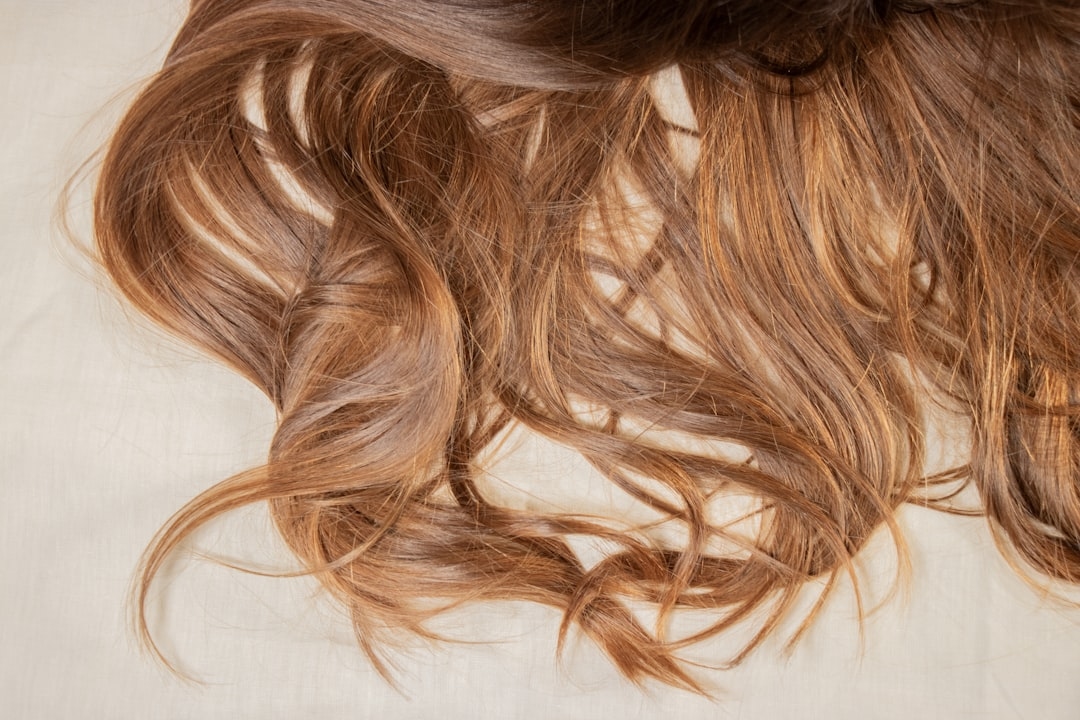
Loose waves are perhaps the easiest style to pair with a fascinator worn with hair down. The wave creates natural texture and volume at the crown, which provides excellent grip for clips or combs. Style your waves before attaching the fascinator, and position the piece where your waves are fullest. Avoid smoothing them out or flattening them—the volume is your friend.
Blow-Dried and Smoothed Hair
If you prefer sleek, straight hair, you’ll need to create grip artificially. Tease (backcomb) the section of hair where you’ll attach the fascinator. This creates a sticky, textured base that holds clips securely. Smooth the outer layer of that section, leaving the teased base underneath, for a polished look that still provides grip. The fascinator itself will disguise the teased section.
Half-Up Styles
A half-up arrangement with your fascinator creates an elegant, romantic look. Secure the top half of your hair with a clip or small ponytail holder, then position your fascinator at the crown where the top hair meets the bottom. This works beautifully because you’re attaching the fascinator to both the secured top section and the loose bottom section, creating a sturdy anchor point.
Side-Swept Hair
For a fashionable off-to-one-side arrangement, brush your hair to one side and position the fascinator on the opposite side at the crown. This creates balance and ensures the fascinator isn’t competing with your hair’s visual weight. Secure it to the dense section of hair at the crown, and let the rest sweep naturally. This style works particularly well for larger, more ornate fascinators.
Practical Tips for All-Day Wear
Managing Comfort and Pain
Wearing a fascinator for 4-8 hours (a typical event duration) can cause discomfort if not done properly. Never over-tighten clips in an attempt to compensate for loose hair. This causes headaches and can leave dents in your hair or even cause hair breakage. Instead, use multiple secure attachment points and test your piece’s stability frequently during the event. Take a 10-minute break every 2-3 hours if possible, removing the fascinator and gently massaging your scalp.
Hair Products and Fascinator Compatibility
Avoid slippery serums and silicone-based products in the section where you’re attaching your fascinator. These products reduce grip significantly. Instead, use texturising sprays, light hairsprays, or dry shampoo in that area. For the rest of your hair, apply styling products as usual—just avoid the attachment zone.
Wind and Weather Considerations
British weather is unpredictable, and fascinators can be vulnerable to wind, particularly lightweight pieces with feathers. If you’re attending an outdoor event, opt for fascinators with a lower profile and secure all attachment points. Consider a larger comb or additional pins. Some people use small, clear hair clips (available at chemists for £1-£3) as additional anchors if weather is a concern.
Cost Breakdown: Fascinator Investment and Styling Products
If you’re building a fascinator wardrobe with styling products, here’s a realistic budget breakdown for UK prices in 2026:
- Fascinator (initial purchase): £30-£150 depending on quality and designer
- Texturising spray: £4-£12 per bottle (lasts 3-6 months with regular use)
- Dry shampoo or texture powder: £3-£8 per can
- Light-hold hairspray: £4-£10 per can
- Backcombing/teasing brush: £5-£15 (one-time purchase)
- Additional secure clips (if needed): £1-£4 each
Total initial investment for a complete setup: approximately £50-£200, depending on whether you already own basic hair tools. Subsequent wear costs only the price of replacing styling products, making repeat use of the same fascinator very economical.
Frequently Asked Questions
Will my fascinator slip if I have fine hair?
Fine hair requires extra preparation. Backcomb the attachment section thoroughly, use a texturising spray, and choose a fascinator with multiple securing points (clip plus comb, ideally). Test the stability thoroughly before leaving home. If it still feels unstable, wear an updo instead—your hair type will always be more secure with that arrangement.
Can I wear a fascinator with very long hair?
Yes, but long hair requires thoughtful positioning. Attach the fascinator at your crown where hair density is greatest. Long hair can act as dead weight, so ensure all attachment points are fully engaged and test stability frequently. Avoid wearing the fascinator too far back; position it at or slightly forward of your crown for best results.
How do I remove my fascinator without damaging my hair?
Gently open all clips and combs fully before pulling. Don’t tug; let the attachment points release naturally. If a comb feels stuck, carefully work it backwards and forwards slightly to free it, rather than pulling straight down. This prevents hair breakage. Allow yourself at least 2-3 minutes for careful removal.
What’s the best fascinator for outdoor events?
Choose one with a sturdy base, multiple attachment points, and a lower profile. Avoid extremely lightweight pieces with large feather arrangements, which catch wind easily. Look for fascinators featuring a secure comb plus clip combination. Budget £60-£120 for a quality outdoor-suitable piece.
Can I wear a fascinator with curly or textured hair?
Absolutely. Textured hair often provides excellent natural grip for fascinators. Position the piece where your curls are fullest, and ensure your curls are set (with hairspray) before attaching. Textured hair is actually one of the easiest hair types for fascinator wear.
Final Recommendations and Next Steps
Wearing a fascinator with hair down is entirely achievable with the right techniques and preparation. The key is understanding your hair type, choosing a fascinator with adequate securing mechanisms, and spending time on thorough testing before your event. Invest in proper styling products designed to create grip—texturising sprays and dry shampoos are inexpensive and make a significant difference. Most importantly, prioritise comfort and safety over appearance; a slightly repositioned fascinator is far better than one that’s painfully tight or constantly slipping.
For upcoming events, visit specialist fascinator retailers and ask staff questions about securing systems. Many independent milliners and designers now focus on functionality for modern wear, not just aesthetics. Request advice specific to your hair type and length. You might also consider hiring a professional stylist for your first attempt; many charge £25-£50 for fascinator attachment as an add-on service, and watching them work will teach you techniques you can replicate yourself for future occasions.