Contents:
- Understanding Hair Wave Basics
- Heat Styling Methods for Wavy Hair
- Using a Curling Iron or Wand
- Straightener Waves
- Blow Dryer with Diffuser or Concentrator
- Heatless Wave Methods
- Braiding for Waves
- Pin Curls
- Damp Wrapping
- Semi-Permanent and Permanent Wave Solutions
- Perm Treatments
- Keratin and Smoothing Treatments
- Lash Lift and Wave Services
- Budget Comparison and Cost Breakdown
- Wave Techniques by Hair Type
- Fine or Thin Hair
- Thick or Coarse Hair
- Curly or Textured Hair
- Dry or Damaged Hair
- Maintaining Your Waves
- Common Issues and Solutions
- Waves Fall Out Quickly
- Uneven or Inconsistent Waves
- Frizz and Loss of Definition
- Breakage or Damage from Heat or Chemicals
- Frequently Asked Questions
- Can I make straight hair wavy permanently without a perm?
- Is a perm damaging to hair?
- How long do heat-styled waves last?
- What’s the cheapest way to get wavy hair?
- Can I create waves on very short hair?
- Making Your Choice: What Method Is Right for You?
Quick Answer: You can create waves through heat styling (1–3 hours, £15–80 for tools), heatless methods (4–8 hours, minimal cost), or semi-permanent treatments (£40–200, lasts 3–6 months). The best method depends on your hair type, desired wave pattern, and how long you want the style to last.
Picture yourself running your fingers through soft, undulating waves that catch the light as they move. The way your hair frames your face shifts with every turn of your head. That effortless texture doesn’t always come naturally—but achieving it is far more accessible than you might think. Whether your hair grows straight as silk or needs coaxing into shape, the methods exist. They range from quick heat-based techniques you can do at home to treatments that reshape your hair’s structure for weeks.
Understanding Hair Wave Basics
Hair texture exists on a spectrum. Straight hair reflects light in a single direction, creating shine and smoothness. Wavy hair bends and curves, scattering light across multiple planes. To understand how to make hair wavy, you first need to recognise what creates a wave pattern. A wave forms when the hair shaft curves rather than grows linearly. This curvature can be temporary (held by styling alone), semi-permanent (held by chemical bonds), or permanent (restructured at the molecular level).
Hair structure consists of three layers: the outer cuticle, the middle cortex, and the inner medulla. The cortex contains proteins arranged in chains. Heat, moisture, and chemical treatments can shift how these protein chains align, either loosening them (creating waves) or tightening them (creating curls or straightness, depending on the direction of force applied). This is why the same method produces different results on different hair types. Fine hair responds faster to heat and chemicals than thick, coarse hair.
Your hair’s natural porosity—how readily it absorbs and releases moisture—affects which methods work best. High-porosity hair soaks up products quickly and dries fast, making it responsive to heat styling but prone to frizz. Low-porosity hair resists moisture, so it holds waves longer but requires gentler application and adequate heat.
Heat Styling Methods for Wavy Hair
Heat is the fastest and most accessible way to create waves. Most people already own at least one tool capable of producing waves. The advantage: results appear within minutes to hours. The disadvantage: they don’t last beyond your next wash (or until humidity causes them to fall).
Using a Curling Iron or Wand
A curling iron or barrel wand is the standard tool for wave creation. Barrel sizes range from 16mm (tight curls) to 38mm (loose waves). For natural-looking waves, select a barrel size between 25mm and 32mm. The technique matters as much as the tool. Wrap a 2-inch section of hair around the barrel, holding it for 8–15 seconds depending on hair thickness and heat setting (typically 160–190°C for medium to thick hair, 140–160°C for fine hair). Release the barrel and let the wave cool before moving to the next section.
The direction you wrap the barrel determines wave pattern. Wrapping away from your face on one side and towards your face on the other creates soft, face-framing waves. Wrapping all sections in the same direction (all away from the face, or all towards) creates uniform waves that look more intentional and styled. Alternating directions produces a more textured, undone appearance.
A quality 25mm curling iron costs £25–50. Professional-grade barrels (£60–100) heat more evenly and maintain temperature better, reducing damage and producing more consistent waves. Budget around 45–60 minutes to style shoulder-length hair this way.
Straightener Waves
A flat iron or straightener, though designed for smoothing, can create beautiful waves through technique. Clamp a 2-inch section near the roots, then twist the straightener 180° as you glide it down the hair shaft. The twist creates an S-curve wave. Alternatively, move the straightener in a zigzag pattern down the section, creating angular waves.
This method suits shorter hair (above shoulder length) or those wanting sharper, more defined waves. It works well on already-straight hair or hair with minimal natural texture. Most people already own a straightener (£15–40), so costs are minimal if you have one. Styling takes 30–45 minutes for shoulder-length hair.
Blow Dryer with Diffuser or Concentrator
A blow dryer alone won’t create pronounced waves, but it accelerates the process when combined with other tools or setting methods. Using a concentrator nozzle (which directs hot air into a narrow beam), you can blow-dry sections that have been pinned or twisted to set waves faster. A diffuser attachment, which disperses air, is particularly useful for enhancing existing natural waves or for those with curly hair wanting softer waves.
Most blow dryers cost £15–35. The concentrator and diffuser attachments usually come included. This method cuts drying time from 15–20 minutes to 5–10 minutes if you’re setting waves with another technique.
Heatless Wave Methods
Heat styling damages hair protein and can cause dryness and breakage over time. Heatless methods preserve hair health and suit those with heat-sensitive or already-damaged hair. They require patience and planning, as they work overnight or over several hours.
Braiding for Waves
Plaiting damp hair and leaving it in place as it dries creates soft waves when the braids are released. This method is nearly free (no tools required) and works on all hair types. The wave tightness depends on braid tightness and strand thickness. Tighter braids create more defined waves; looser braids produce gentler, softer waves.
After shampooing, apply a light leave-in conditioner to damp (not soaking wet) hair. Divide your hair into 3–5 sections depending on desired wave thickness. French braid, Dutch braid, or standard three-strand braid each section. Secure the ends with elastic bands. Sleep in the braids or wait 6–8 hours. Release the braids carefully by undoing the elastic first, then gently unravelling. Comb through with your fingers or a wide-tooth comb to soften the waves.
For finer, more delicate waves, plait smaller sections (8–12 braids instead of 3–5). For chunkier waves, use thicker sections. This costs nothing if you already have elastic bands. Time commitment is just 2–3 minutes to braid and 1–2 minutes to release (though you need 6–8 hours of waiting time).
Pin Curls
Pin curls are a vintage technique that creates defined waves without heat or chemicals. After shampooing, spray damp hair with a setting spray (£4–8 per bottle). Take 2-inch sections and curl them around your fingers, then secure with a hair clip or pin, so the curl sits flat against your scalp. Cover your head with a silk scarf or bonnet to minimize friction as the hair dries (silk reduces frizz compared to cotton). Leave for 6–10 hours or overnight. Release the clips to reveal soft, structured waves.
Pin curls suit all lengths and textures. Thicker hair or coarser textures may need a setting product to hold the curl shape. Total cost: £4–10 if you have clips and a scarf. Time commitment is 10–15 minutes to set, plus waiting time.
Damp Wrapping
Wrap sections of damp hair around rollers or foam rollers, secure them, and allow hair to dry fully (or use a dryer on cool setting). As hair dries wrapped around the roller, it sets into that curved shape. Roller size determines wave tightness: 45mm rollers create loose waves, 32mm create medium waves, and 19mm create tight waves. This method requires foam rollers (£8–15 for a set) and 2–3 hours of drying time. Results look salon-finished and last until your next wash.
Semi-Permanent and Permanent Wave Solutions
If you want waves to last weeks or months without daily styling, chemical treatments reshape your hair’s structure. These carry more investment (both in cost and in hair care commitment) but deliver longer-lasting results.
Perm Treatments
A chemical perm (short for permanent wave) uses alkaline solutions to break and reform the protein bonds in your cortex. Your hair is wrapped around rods of a chosen size, then treated with perming solution. The solution penetrates the cortex, breaking disulphide bonds. A neutraliser then reforms those bonds around the rod, setting a permanent wave pattern.
Perms typically cost £40–120 at a salon, depending on hair length and salon reputation. The process takes 1.5–2.5 hours. Results last 3–6 months as hair grows and new, untreated hair emerges from the scalp. The wave pattern is determined by rod size: smaller rods create tight waves or curls, larger rods create loose waves.
Perms work best on thick, coarse hair and those with naturally straight texture. Fine or previously damaged hair may not hold a wave as well and risks breakage. You must wait at least 48 hours after a perm before washing to allow the new bonds to fully set. Use sulphate-free shampoo and conditioning treatments specifically formulated for permed hair (£6–12 per product), as perms make hair drier and more fragile.
Keratin and Smoothing Treatments
These treatments are designed to straighten, but some formulations can be applied with different techniques to create gentle waves. A keratin-smoothing treatment fills the cuticle with proteins, adding shine and reducing frizz. If applied to hair wrapped around rollers (rather than applied while hair is straight), it can set a softer wave pattern. Results last 6–12 weeks.
Keratin treatments cost £60–150 at a salon. They require professional application and aftercare (avoiding water for 48–72 hours, using specific products). This method is gentler than a perm but less dramatic in wave definition. It suits those wanting subtle texture with added smoothness and shine.
Lash Lift and Wave Services
Some salons now offer hair-lifting treatments adapted from beauty lash-lift technology. These chemical treatments reshape hair without damaging protein as severely as traditional perms. They cost £80–200 and last 8–12 weeks. However, availability is limited to specialist salons, particularly in major UK cities. Ask your salon if they offer this service.
Budget Comparison and Cost Breakdown
The cost of creating wavy hair varies dramatically by method:
- Heat styling (curling iron or straightener): £25–100 one-time tool investment (tool lasts 3–5 years), then £0 ongoing. Time per styling: 30–60 minutes. Duration: until next wash.
- Heatless braiding or pin curls: £0–10 one-time (elastic bands, clips, setting spray if needed). Time per styling: 10–20 minutes setup, 6–10 hours waiting. Duration: until next wash.
- Roller setting: £8–15 one-time investment. Time per styling: 15–30 minutes setup, 2–3 hours drying. Duration: until next wash.
- Perm treatment: £40–120 per service at salon. One service lasts 3–6 months, so roughly £20–40 per month. Time: 2–3 hours at salon, then 5–10 minutes daily styling as hair grows out. Duration: 3–6 months.
- Keratin wave treatment: £60–150 per service. Lasts 6–12 weeks, roughly £30–80 per month. Time: 3–4 hours at salon, then minimal daily styling. Duration: 6–12 weeks.
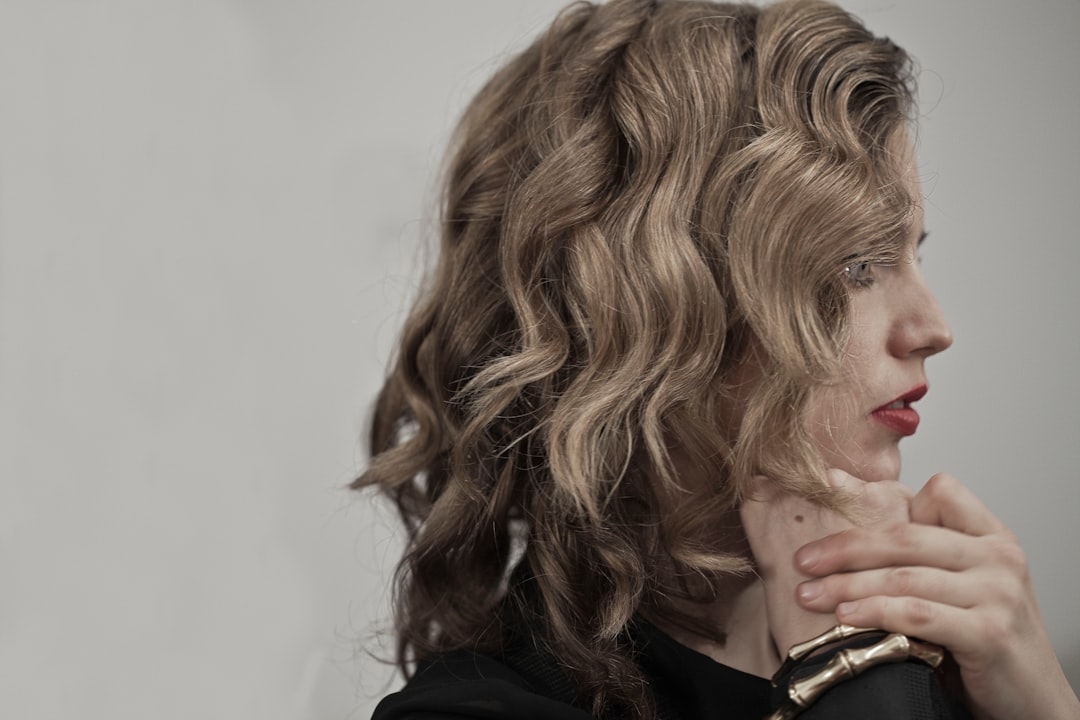
For occasional wear, heat styling is most economical. For frequent, low-maintenance waves, a perm or keratin treatment offers better long-term value despite higher upfront costs.
Wave Techniques by Hair Type
Fine or Thin Hair
Fine hair requires gentler handling. Heat styling should use lower temperatures (140–160°C) and avoid long contact times to prevent damage. Heatless methods like braiding work beautifully on fine hair and produce delicate waves. Chemical treatments like perms must be done carefully, as fine hair can become damaged or over-processed. Ask your stylist about gentler alternatives like keratin treatments.
Thick or Coarse Hair
Thick hair is forgiving and holds waves well. Use higher heat (180–200°C) for faster results. Perms produce lasting, defined waves on coarse hair. Heatless methods take longer to set (you may need 10–12 hours braiding rather than 6–8). Coarser hair may need thicker sections and more product to define waves clearly.
Curly or Textured Hair
If you have natural curls and want looser waves, your goal is relaxing rather than creating texture. Heatless methods like braiding work well for softening curls into waves. Heat styling on low settings (130–150°C) can achieve waves without fully straightening your curl pattern. Avoid perms, as your hair already has a set curl structure.
Dry or Damaged Hair
Heat and chemicals stress damaged hair further. Prioritise heatless methods and nourishing products. If using heat, apply a heat protectant spray (£5–10) and limit frequency to once or twice weekly. Keratin treatments may help by sealing the cuticle, though they don’t repair internal damage. Deep conditioning treatments weekly (£6–15 per product) are essential if you’re using heat or chemicals regularly.
Maintaining Your Waves
Waves from heat styling or heatless methods deteriorate as you go about your day. To extend their life until your next wash, use a light texture spray (£6–12) or sea salt spray (£4–8). These add grip and reduce the wave pattern from falling flat due to natural oils and humidity. Sleep on a silk pillowcase or in a silk bonnet to reduce friction damage and frizz. Sleeping with waves loosely pinned in place can help them hold longer overnight.
For semi-permanent treatments like perms or keratin waves, shampoo with cold or lukewarm water (hot water opens the cuticle and can compromise the treatment). Use conditioner generously after each wash to counteract the drying effects of chemical treatments. Limit heat styling while the treatment is in place, as combined heat and chemicals accelerate damage. Avoid chlorine pools, as it degrades wave-setting chemicals; wear a swim cap or rinse hair thoroughly with fresh water before and after swimming.
Common Issues and Solutions
Waves Fall Out Quickly
If your waves drop within hours, consider these factors: your hair may have very low porosity or be too heavily oiled. Try clarifying your hair with a shampoo designed for product buildup (£4–8) before styling. Use less conditioner on mid-lengths and ends. Apply a setting spray before styling to give the wave something to grip.
Uneven or Inconsistent Waves
Inconsistent results usually mean inconsistent technique or temperature. If heat styling, ensure your tool is fully heated before starting and maintain consistent wrap tension and contact time. For chemical treatments, hair breakage or pre-existing damage can prevent uniform processing. Discuss with your stylist if you have previously coloured or treated hair; they may adjust the processing time.
Frizz and Loss of Definition
Humidity is the main culprit. Use an anti-frizz serum or smoothing cream (£8–15) applied lightly after styling. Silk hair accessories reduce friction frizz. If frizz happens immediately after styling, humidity in your home or weather may be too high for your wave method to set properly; try styling in a bathroom with less humidity or use a blow dryer on cool setting to seal the cuticle.
Breakage or Damage from Heat or Chemicals
Stop or reduce frequency of heat styling and chemical treatments immediately. Trim damaged ends (1–2cm) every 6–8 weeks to prevent split ends from splitting further up the hair shaft. Use heat protectants and protein treatments (£6–12) designed for damaged hair. If your hair is severely damaged, consult a professional stylist about the best course of action before attempting more treatments.
Frequently Asked Questions
Can I make straight hair wavy permanently without a perm?
Not truly permanently, no. A perm is the only chemical treatment that restructures the hair shaft into a wave shape that lasts months. Keratin treatments and other semi-permanent methods last 6–12 weeks. Heatless and heat styling methods wash out with your next shampoo. If you want waves without a perm, plan on restyling after each wash or using a semi-permanent alternative.
Is a perm damaging to hair?
Perms do alter hair structure and can cause dryness or brittleness, particularly on fine, previously damaged, or colour-treated hair. The risk increases if you’ve had multiple perms, bleaching, or frequent heat styling. Done correctly on healthy hair with proper aftercare, many people tolerate perms well. Discuss your hair history with a stylist before committing.
How long do heat-styled waves last?
Heat-styled waves typically last until your next wash, which for most people is 1–3 days. Humidity, movement, and natural oils break down the style faster. Using a texture spray and sleeping in a silk bonnet can extend this to 2–4 days in low-humidity conditions.
What’s the cheapest way to get wavy hair?
Braiding damp hair and allowing it to dry is essentially free if you have elastic bands at home. Takes 6–8 hours and produces soft waves. If you already own a curling iron or straightener, heat styling is also very cheap per use (just electricity, negligible cost). These methods cost nothing upfront but require daily restyling after each wash.
Can I create waves on very short hair?
Yes, though results differ by length. Pixie cuts (under 5cm) show subtle texture rather than defined waves; braiding and perms can add soft texture. Bobs and longer styles (5–20cm) hold waves well with all methods. Very short hair dries faster, so heatless methods may only need 3–4 hours. Heat styling and perms work on short hair too, just use proportionally smaller sections or rod sizes.
Making Your Choice: What Method Is Right for You?
Your ideal wave method depends on three factors: your hair type and current condition, how often you’re willing to spend time styling, and your budget.
If you have healthy hair and are comfortable spending 30–60 minutes styling every few days, heat styling with a curling iron or wand offers maximum control and variety at low cost. You can adjust wave size and tightness each time, and there’s no damage risk if you use heat protectant and lower heat settings.
If you prefer low-maintenance styling and have time flexibility, heatless methods (braiding, pin curls, rollers) preserve hair health and cost nearly nothing. They work beautifully on all hair types but require planning and patience.
If you want waves you can wake up with and wear for weeks, and your hair is in good condition, a perm at a reputable salon delivers lasting results. Budget £40–120 and commit to using permed-hair-specific products for upkeep. The cost averages £20–40 monthly.
If your hair is damaged or you want the smoothness and shine of a keratin treatment alongside softer waves, keratin wave services combine benefits but cost more (£60–150) and require specialist salons.
Start with heat styling or heatless methods to discover which wave pattern suits you. Once you know your preference, you can explore semi-permanent options. This approach lets you find your ideal look without committing money and hair health to a treatment that might not match your expectations.