Contents:
- Understanding Your Hair’s Basic Needs
- Step One: Choose the Right Shampoo and Conditioner for Your Hair Type
- For Fine or Thin Hair
- For Curly, Coily, or Textured Hair
- For Straight, Normal Hair
- Step Two: Master Your Washing Technique
- Step Three: Reduce Heat Damage and Styling Stress
- Common Mistakes to Avoid
- Nutrition and Supplements: What You Eat Affects Your Hair
- Essential Nutrients for Hair Health
- A Real Story: Sarah’s Hair Transformation
- Hydration and Moisture: Your Hair’s Thirst
- Deep Conditioning Treatments
- Leave-in Conditioners
- Hair Oils and Serums
- How to Get Healthy Hair: Long-Term Strategies
- The 90-Day Reset
- Scalp Care: The Foundation You’re Ignoring
- Addressing Specific Hair Concerns
- Hair Loss and Thinning
- Frizz and Flyaways
- Dryness and Brittleness
- Frequently Asked Questions
- How long does it take to see results from healthier hair habits?
- Is expensive shampoo better than cheap shampoo?
- Can you repair split ends without cutting them?
- Should I wash my hair daily?
- What’s the difference between conditioner and deep conditioning treatments?
- Your Path Forward
Close your eyes and imagine running your fingers through silky, bouncy hair that catches the light as you move. That feeling of healthy strands slipping effortlessly between your palms, the satisfying weight of fullness at your crown—that’s what we’re after here. For many people, especially those navigating life in tight quarters with limited bathroom space, achieving truly healthy hair feels like an impossible dream. But it doesn’t have to be.
The secret to how to get healthy hair isn’t wrapped up in expensive salon treatments or an elaborate daily routine that demands an hour of your morning. Instead, it comes down to understanding what your hair actually needs and delivering it consistently, even in a small apartment where counter space is at a premium.
Understanding Your Hair’s Basic Needs
Before diving into solutions, let’s talk about what healthy hair actually looks like. Hair that’s thriving is elastic—it can stretch slightly without snapping. It has shine, a smooth cuticle layer, and grows at roughly 0.5 inches per month. The scalp feels balanced: not excessively oily, not uncomfortably dry, and free from irritation or flaking.
Your hair shaft is remarkably similar to a rope made of three layers. The outer layer, called the cuticle, protects everything beneath it. Beneath that is the cortex, which contains proteins and moisture that determine your hair’s strength and elasticity. At the centre is the medulla, filled with proteins and air spaces. Damage typically means the cuticle has lifted, allowing moisture to escape from the cortex.
Most people don’t realise that hair is technically dead tissue. This means you cannot truly repair damage once it occurs—you can only prevent future damage and nourish new growth. Understanding this changes everything about how you approach hair care. Stop thinking about rescuing your damaged ends; start thinking about protecting them while you grow healthy new hair to replace them.
Step One: Choose the Right Shampoo and Conditioner for Your Hair Type
The foundation of healthy hair starts at wash day. Your shampoo should cleanse without stripping essential natural oils, whilst your conditioner should add moisture and protection without weighing your hair down.
For Fine or Thin Hair
If you have fine hair, avoid heavy silicone-based conditioners that accumulate on your strands. Instead, look for volumising shampoos with lighter conditioning agents. Apply conditioner only to the ends of your hair, never the roots. Expect to pay £8-15 for quality drugstore options, or £20-30 for premium salon brands. Products containing rice protein or panthenol add volume without heaviness.
For Curly, Coily, or Textured Hair
Curly hair requires moisture retention above all else. Seek out shampoos formulated without sulphates—these harsh detergents strip natural oils faster than any other ingredient. Conditioning is crucial; many curly-haired people invest in leave-in conditioners (£10-25) to maintain moisture between washes. The more moisture your curls retain, the less they’ll frizz and break.
For Straight, Normal Hair
You have flexibility here. A gentle, pH-balanced shampoo paired with a moderate conditioner works well. Price ranges from £5-20 for dependable options. Focus on avoiding anything marketed as “deep repair” or “intensive” unless you’ve experienced specific damage.
Step Two: Master Your Washing Technique
How you wash matters nearly as much as what you use. Many people damage their hair simply through careless washing habits.
Water temperature: Hot water opens the hair cuticle, making it more vulnerable to damage. Warm water is fine for cleansing, but finish with a cool rinse to seal the cuticle closed and add shine. This takes just 15 seconds and makes a visible difference.
Frequency: How often should you wash? That depends on your hair type and scalp condition. Fine, straight hair often needs washing every 2-3 days, whilst curly and coily hair might go 5-7 days without washing. Overwashing strips natural oils; underwashing allows product build-up. There’s no universal rule—observe your hair and adjust accordingly.
Technique: Shampoo your scalp and roots where oil accumulates, not your ends. Massage gently with your fingertips (not your nails) in circular motions for 2-3 minutes. When conditioning, focus on the mid-lengths and ends. Leave conditioner on for at least 2 minutes before rinsing thoroughly.
Here’s something many people miss: the water quality in your home matters. Hard water—water high in minerals like calcium and magnesium—deposits buildup on your hair that dulls shine and causes tangles. If you have hard water, occasional chelating shampoo treatments (usually £8-12) can help reset your hair. Once monthly is usually sufficient.
Step Three: Reduce Heat Damage and Styling Stress
Heat styling is one of the most controllable sources of hair damage. That blow dryer, straightener, or curling iron creates internal moisture loss that weakens your hair structure.
Minimise heat: Air dry when possible. If you must blow dry, use the lowest heat setting and a concentrator nozzle to direct airflow. Keep the dryer moving rather than holding it in one spot. Always apply heat protectant spray beforehand—these create a barrier that reduces moisture loss by up to 60% according to cosmetic chemists.
Protect during styling: If you use straighteners or curling tools, limit use to 1-2 times weekly. Apply heat protectant, use a lower temperature setting (160-180°C is plenty for most hair), and never pass over the same section twice. Those tools should glide through your hair smoothly; resistance means your hair isn’t properly protected.
Avoid tight hairstyles: Living in a small apartment where you’re rushing through mornings, it’s tempting to grab a tight ponytail or bun. But tight hairstyles cause traction alopecia—actual hair loss from constant tension on the follicle. Wear styles loose enough that you could fit a pencil under the elastic band. Silk scrunchies (£3-8) cause less friction than elastic bands, particularly important if you tie your hair while it’s wet.
Common Mistakes to Avoid
Before moving forward, let’s address the habits that sabotage healthy hair growth:
- Brushing wet hair aggressively. Wet hair is at its weakest because the hydrogen bonds holding the structure together are temporarily disrupted. Instead, use a wide-tooth comb on soaking wet hair, or wait until hair is at least 80% dry before brushing. This single change prevents enormous amounts of breakage.
- Skipping regular trims. Dead, split ends split further up the hair shaft if left alone. Trim every 8-10 weeks to prevent splits from travelling upward. This seems counterintuitive when you’re trying to grow hair, but you’ll actually grow healthier, longer hair by removing damaged ends consistently.
- Using the wrong hair tools. Cheap plastic brushes snag and break hair. Invest in either a wooden paddle brush (£8-15) or a boar bristle brush that smooths the cuticle rather than raising it. Your hair feels noticeably smoother within days.
- Overwashing or overconditioning. More product doesn’t mean better results. Product buildup dulls shine, creates limp texture, and can actually cause scalp irritation or flaking.
- Ignoring your scalp. Your hair is only as healthy as the scalp it grows from. Treat your scalp like you’d treat your skin—gently cleanse, exfoliate occasionally, and keep it moisturised.
Nutrition and Supplements: What You Eat Affects Your Hair
Hair growth happens from within. Your hair follicles require specific nutrients to produce strong, resilient new growth. You cannot out-supplement a poor diet, but targeted nutrition genuinely accelerates healthy hair development.
Essential Nutrients for Hair Health
Protein: Hair is made primarily of a protein called keratin. Consuming adequate protein (56g daily for average adults, more for those training regularly) provides amino acids your body uses to build new hair. Include sources like chicken, fish, eggs, legumes, or Greek yoghurt at most meals.
Iron: Low iron causes telogen effluvium—diffuse shedding across the scalp. Women are particularly vulnerable, especially those with heavy periods. Iron-rich foods include spinach, lentils, fortified cereals, and red meat. If you suspect iron deficiency, ask your GP for a blood test; supplementation should only happen with medical guidance. Typical iron supplementation costs £5-10 monthly.
Zinc: Zinc deficiency impairs hair growth and causes hair loss. Beef, shellfish, seeds, and nuts are excellent sources. Most people get sufficient zinc through normal diet, but vegetarians should pay attention. Targeted supplementation (£6-12 monthly) can help if deficiency is confirmed.
Biotin (Vitamin B7): Biotin supports keratin production. A 2016 study found that women taking biotin supplements experienced 25% more hair growth. The research is promising though not conclusive for everyone. Eggs, almonds, sweet potatoes, and spinach contain biotin naturally. Supplements cost £8-15 monthly and are quite safe even at high doses.
Omega-3 fatty acids: These reduce inflammation and support hair follicle function. Fatty fish like salmon and mackerel are excellent sources. A 2018 study showed that women taking omega-3 supplements experienced thicker hair and less shedding. Supplements range from £10-20 monthly depending on quality.
A Real Story: Sarah’s Hair Transformation
Sarah, a 28-year-old marketing professional living in a small London studio flat, came to realise her chronic shedding problem wasn’t about products—it was about nutrition. She’d been losing clumps of hair daily for months despite using “premium” haircare products. Her GP tested her and found significant iron deficiency alongside low vitamin D levels. After starting iron supplementation and increasing her protein intake from around 40g daily to 70g, her shedding stopped within 6 weeks and her new growth came in visibly thicker. She also added a monthly protein-rich bone broth habit (cost about £3-5 per carton) which made her hair noticeably shinier within 2 months. Her transformation took about 3 months to become obvious, but she swears the consistency in her nutrition was what actually changed her hair.
Hydration and Moisture: Your Hair’s Thirst
External hydration is just as important as internal nutrition. Your hair needs moisture to remain elastic and strong.
Deep Conditioning Treatments
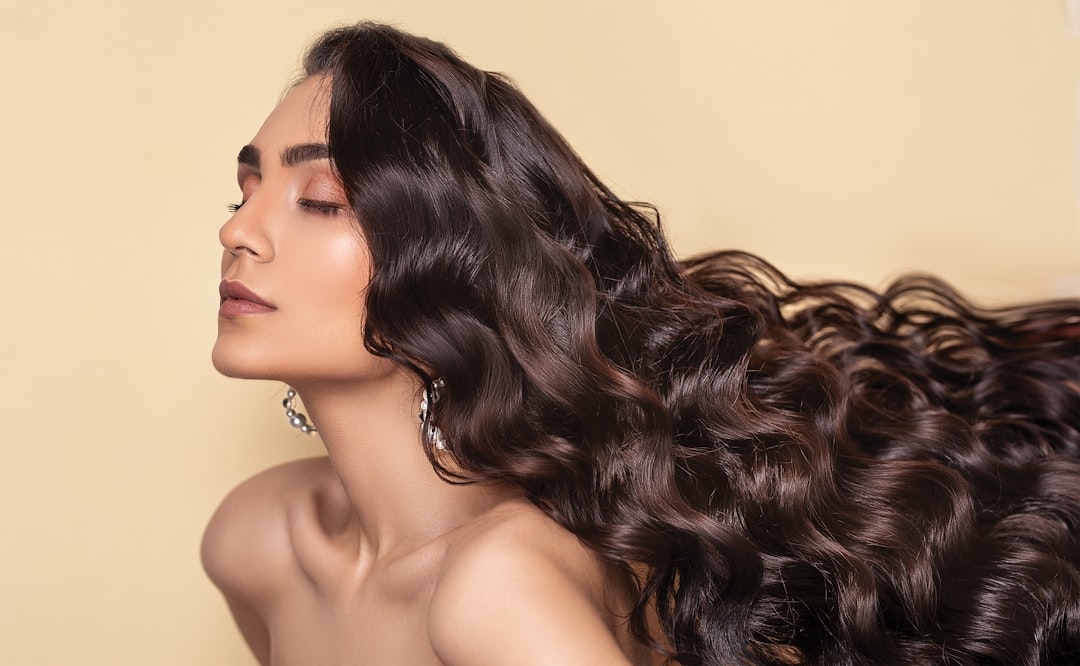
Weekly deep conditioning for 15-30 minutes dramatically improves hair texture and strength. Apply a mask or deep conditioner from mid-length to ends, pop on a shower cap (you can use a regular plastic bag if needed in a tight space), and relax. The heat from your scalp helps the product penetrate. Cost ranges from £5-25 per treatment depending on quality. Budget roughly £10-15 monthly for weekly treatments.
Leave-in Conditioners
These provide ongoing moisture throughout the day without rinsing out. They’re particularly valuable for anyone with fine hair concerns, as they come in lightweight formulations that don’t weigh hair down. Apply to damp hair after showering, focusing on ends. Cost is typically £8-18 per bottle, lasting 2-3 months with regular use.
Hair Oils and Serums
Contrary to what you might think, oils on your hair aren’t necessarily greasy. Lightweight oils like argan (£12-20), coconut (£5-10), or jojoba (£15-25) seal moisture in and add shine. Use sparingly—a coin-sized amount for shoulder-length hair is plenty. Focus on mid-lengths and ends, never the scalp. These create that salon-finish shine that signals healthy hair.
How to Get Healthy Hair: Long-Term Strategies
Building genuinely healthy hair requires patience because hair grows roughly 6 inches per year. You’re looking at a 6-month minimum to see substantial change, and 12 months to completely replace damaged hair with healthy growth.
The 90-Day Reset
Consider committing to 90 days of consistent, proper hair care. During this period:
- Wash only with appropriate products for your hair type, 2-3 times weekly
- Do one deep conditioning treatment weekly
- Minimise heat styling to once weekly or less
- Trim damaged ends at week 6, then every 8 weeks after
- Address nutritional gaps (test for iron, boost protein intake)
- Use a silk pillowcase to reduce friction while sleeping (£15-30 for a good quality one)
By week 12, most people report visible improvements: shine returns, hair feels stronger, shedding decreases, and styling becomes easier because hair has better elasticity.
Scalp Care: The Foundation You’re Ignoring
A healthy scalp produces healthy hair. If your scalp itches, flakes, or feels tight, your hair cannot reach its full potential. Gentle scalp massages improve blood flow to hair follicles. Spend 5 minutes daily using your fingertips to massage your entire scalp in small circles. This costs nothing and takes minimal space, making it perfect for apartment living.
If you have dandruff or scalp sensitivity, use a gentle scalp treatment 2-3 times weekly. Salicylic acid or zinc pyrithione products work well for standard dandruff (£6-12). Tea tree oil works for some people but can be irritating to sensitive scalps, so patch test first.
Addressing Specific Hair Concerns
Hair Loss and Thinning
If you’re experiencing active hair loss beyond normal daily shedding (normal is 50-100 hairs daily), see your GP. Hair loss has multiple causes: nutritional deficiency, hormonal imbalance, stress-induced telogen effluvium, or genetic factors. Only once you’ve ruled out medical issues should you focus purely on haircare improvements. That said, optimising nutrition and minimising damage certainly supports any medical treatment your doctor recommends.
Frizz and Flyaways
Frizz means your hair cuticles are raised and moisture is escaping. This gets worse with humidity. Solutions include using a smoothing serum (£8-15) on damp hair before styling, keeping a small smoothing cream (£6-12) handy for touch-ups, and ensuring your conditioner is appropriately hydrating. In humid climates, anti-humidity sprays (£10-18) help lock the cuticle down.
Dryness and Brittleness
Dry hair breaks easily and looks dull. Increase moisture through weekly deep conditioning, leave-in conditioners, and hair oils. Ensure you’re drinking adequate water (about 2 litres daily) and eating sufficient healthy fats. If dryness is severe and accompanied by scalp issues, consider consulting a trichologist (hair specialist, typically £60-120 for initial consultation) to rule out underlying conditions.
Frequently Asked Questions
How long does it take to see results from healthier hair habits?
You’ll notice some changes within 2-4 weeks (smoother texture, reduced frizz, better shine). Significant changes in hair thickness and length take 3-6 months. Complete transformation of damaged hair requires 12 months as you grow out old damage and establish healthy new growth. Patience is essential.
Is expensive shampoo better than cheap shampoo?
Not necessarily. A £5 product with appropriate ingredients outperforms a £30 product that’s wrong for your hair type. Look at ingredient lists rather than price tags. The best shampoo is one that leaves your hair clean without feeling dry or greasy 24 hours later. Test products for at least a week before deciding; your hair needs time to adjust.
Can you repair split ends without cutting them?
No. Split ends are permanent structural damage that cannot be mended. Products marketed as “split end repair” merely glue the strands together temporarily; the damage remains. Regular trims every 8-10 weeks are the only real solution. However, you absolutely can prevent future split ends through proper moisture management and heat protection.
Should I wash my hair daily?
Daily washing strips natural oils faster than your scalp can replace them, especially if you use hot water or harsh shampoos. Most people’s hair thrives with 2-3 washes weekly. Greasy hair between washes can usually be addressed with dry shampoo (£5-10 per can) or simply braiding your hair to distribute oils. Give yourself 1-2 weeks when reducing wash frequency; your scalp adjusts and oil production normalises.
What’s the difference between conditioner and deep conditioning treatments?
Regular conditioner is designed for quick application (2-5 minutes) to rinse out. Deep conditioning treatments are formulated with higher concentrations of nourishing ingredients and require 15-30 minutes of contact time to penetrate the hair shaft. Deep conditioning is essential for achieving truly healthy hair; regular conditioning alone isn’t enough.
Your Path Forward
Getting healthy hair is genuinely achievable. It doesn’t require an elaborate bathroom setup or hours of daily effort. What it does require is understanding your specific hair needs, choosing products and techniques that support those needs, addressing nutritional foundations, and maintaining consistency over months.
Start with one change this week: either switch to a more appropriate shampoo/conditioner combo for your hair type, or increase your protein intake, or commit to one weekly deep conditioning treatment. Once that feels natural, add another change. This gradual approach is far more sustainable than overhauling everything at once.
The journey to truly healthy hair is a long-game investment in yourself. Your future self—six months from now—will thank you for starting today. That feeling of running your fingers through strong, shiny, resilient hair? That’s within reach. Make it happen.