Contents:
- Understanding Curly Hair Damage: What’s Actually Happening
- Distinguishing Damage from Dryness: A Comparison
- Step One: The Strategic Trim
- Step Two: Rebuilding Moisture Balance with Targeted Conditioning
- Deep Conditioning: The Core Treatment
- Protein Treatments: Rebuilding the Structure
- Step Three: Protective Daily Practices That Actually Work
- Heat Damage Prevention
- Gentle Cleansing Methods
- Nighttime Routines
- Sustainable & Eco-Conscious Curl Care
- Product Ingredients to Prioritise and Avoid
- Avoid These Ingredients
- Seek These Beneficial Ingredients
- Recovery Timeline: What to Expect
- Common Mistakes That Sabotage Recovery
- When Professional Help Is Necessary
- Building Your Curly Hair Care Routine: A Practical Schedule
- FAQ: Your Damaged Curly Hair Questions Answered
- Your Path Forward: Making Damaged Curly Hair Healthy Again
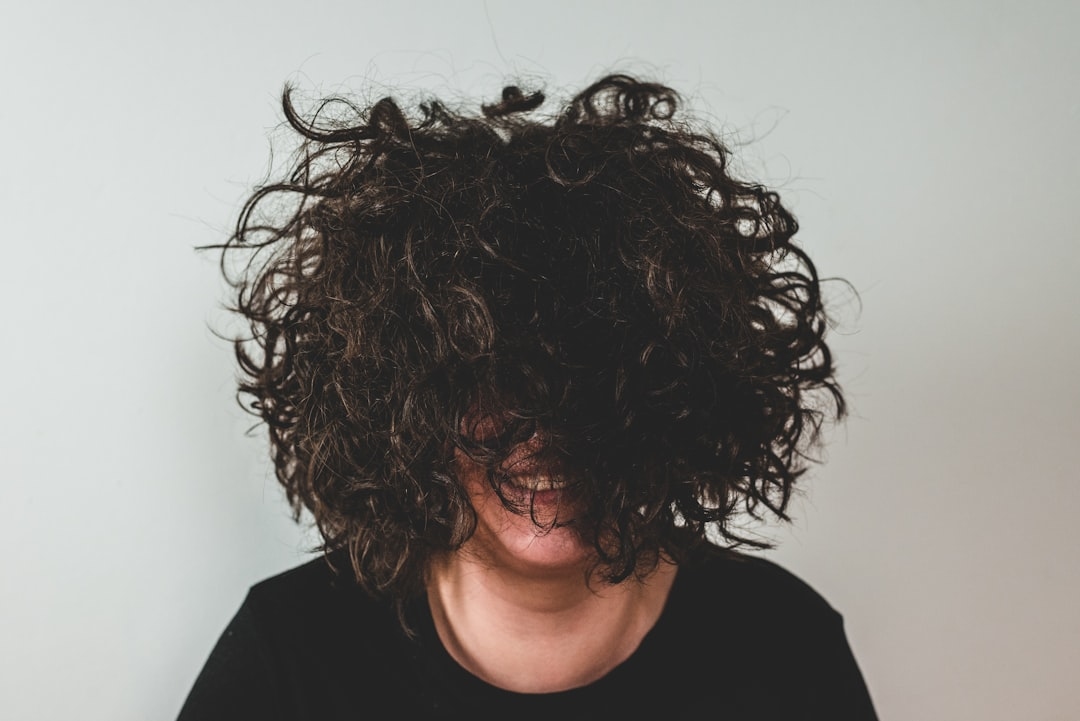
Run your fingers through your curls and feel the difference between soft, springy strands and ones that snap under the slightest tension. Damaged curly hair feels brittle, looks dull, and loses the bounce that defines healthy curls. The texture crumbles rather than stretches, and no amount of styling seems to restore that signature curl definition. This damage accumulates gradually—from heat tools, chemical treatments, harsh brushing, or simply environmental stress—until one day you realise your curls need serious intervention.
Understanding Curly Hair Damage: What’s Actually Happening
Curly hair has a fundamentally different structure than straight hair. Each strand spirals or coils, which means the hair surface (the cuticle) sits differently. The natural oils your scalp produces travel down straight hair easily but struggle to coat the curves and bends of curls. This natural disadvantage means curly hair is more prone to dryness and therefore more vulnerable to damage.
When damage occurs, the protective outer cuticle layer develops gaps and breaks. Water and moisture escape, leaving the inner cortex exposed and fragile. Damaged curls lose elasticity—they won’t stretch and spring back as they should. Instead, they snap. Porosity changes too: damaged hair becomes hyper-porous, meaning it absorbs water too quickly but can’t hold onto moisture properly.
The British Climate & Curly Hair: UK humidity fluctuates seasonally, creating specific challenges for curly hair. Winter dryness combined with heating systems indoors can damage even previously healthy curls. Summer humidity can temporarily mask damage by swelling the hair shaft, but the underlying problems remain.
Distinguishing Damage from Dryness: A Comparison
People often confuse dry curly hair with damaged curly hair, and the confusion makes sense—both feel rough and look frizzy. The key difference determines your treatment strategy.
Dry curly hair simply lacks moisture. It’s still structurally sound. Hydrating products, leave-in conditioners, and oils can restore it. Dry hair is flexible; you can stretch a strand and it bounces back.
Damaged curly hair has structural compromise. No amount of moisture alone fixes it because the hair shaft itself is compromised. Damaged strands snap instead of stretch. They feel straw-like even after conditioning. The porosity is uneven—some areas absorb product instantly while others repel it.
Quick test: Take a single strand and gently pull it. If it snaps immediately without stretching, that’s damage. If it stretches slightly then springs back, it’s likely just dry. If it stretches far before snapping, you have severely compromised protein structure.
Step One: The Strategic Trim
No treatment can mend a severed hair shaft. Cutting away damaged ends isn’t admitting defeat—it’s the foundation of any genuine repair strategy. Damaged ends prevent healthy curls from forming lower down the strand, creating a cascade of poor curl definition throughout your hair length.
Find a stylist experienced with curly hair. A standard straight-hair stylist often cuts curls too short, not accounting for the curl shrinkage that happens when curls dry. You need 0.5 to 1 inch (1.3–2.5 cm) removed minimum if damage is moderate. Severe damage might require removing 2–3 inches (5–7.6 cm). The investment ranges from £35–£75 depending on your location and stylist expertise.
How often? After your initial trim to remove damage, you’ll maintain curls every 8–12 weeks. This prevents new damage from accumulating at the ends. Split ends migrate upward; allowing them to progress means cutting off more length later.
The shape matters too. A good curly cut works with your natural curl pattern, not against it. Layers add volume and definition without compromising curl integrity. Some stylists prefer the “cut-by-curl” method, sculpting each curl section individually. Others use the “Deva Cut” technique designed specifically for curly and coily hair. Both approaches cost more (£60–£100) but deliver superior results.
Step Two: Rebuilding Moisture Balance with Targeted Conditioning
Once you’ve removed damaged ends, your hair needs rebuilding. Curly hair requires more moisture than straight hair—this isn’t optional, it’s structural necessity. Your weekly or bi-weekly deep conditioning routine becomes non-negotiable.
Deep Conditioning: The Core Treatment
Deep conditioning works by saturating the hair shaft with moisture and often protein. Leave it on for 15–30 minutes (or longer if your hair is severely damaged). Heat amplifies results. Applying conditioner to damp hair, then wrapping in a warm towel or shower cap, opens the cuticle and allows deeper penetration.
Products differ significantly. A basic deep conditioner from the supermarket (£4–£8) provides hydration. Specialist curly hair brands (£12–£25) contain humectants like glycerin or honey that draw moisture into the hair, plus ingredients like shea butter that seal it. For severely damaged hair, look for products containing hydrolysed proteins—keratin, silk protein, or wheat protein—which reinforce the hair shaft.
Brand examples popular in the UK market include SheaMoisture (ranges from £6–£15 per product), Cantu (£5–£12), and Kinky-Curly (£18–£28). High-street retailers like Boots, Superdrug, and larger supermarkets stock most of these. Online, you’ll find Cult Beauty and Feelunique offering wider selection.
Frequency depends on damage severity. Mildly damaged curls improve with weekly deep conditioning. Severely compromised hair needs twice-weekly treatments for the first month, then weekly ongoing. Most people notice texture improvements within 3–4 weeks of consistent treatment.
Protein Treatments: Rebuilding the Structure
Damaged hair lacks structural protein. Hydration alone won’t restore strength. Protein treatments temporarily fill gaps in the cuticle and reinforce the cortex. Unlike moisturising conditioners (which soften), protein treatments add firmness and elasticity.
These treatments come as rinse-off masks, leave-in sprays, or mixed additives you make yourself. Results last 2–3 weeks before gradual degradation. You’ll notice immediately straighter, shinier hair and improved curl clump definition. The trade-off is potential stiffness if you overdo protein—balance protein and moisture treatments.
A simple formula: alternate weeks. One week, deep moisture conditioning. The next week, protein treatment. This maintains both hydration and strength. If your curls feel straw-like, you’ve got protein imbalance. If they feel mushy or lack definition, you need more protein.
UK-available protein treatments include Aphogee (£15–£20 for two applications), AppleTree and Olive Oil treatments (£8–£12), and Ion Hard Water Shampoo which doubles as a protein treatment (£4–£6).
Step Three: Protective Daily Practices That Actually Work
Once you’ve cut away damage and started rebuilding, protecting new growth becomes critical. Most people damage their hair through daily routines they don’t realise are harmful.
Heat Damage Prevention
Heat straightens curls permanently. Even “low heat” from blow dryers causes cumulative damage. If you must use heat, invest in a proper ionic blow dryer (£60–£120) that dries faster with less damage than basic models. Use a concentrator nozzle and keep the dryer at least 15 centimetres away from your scalp.
Better alternative: air dry or use the “plopping” technique. After washing, wrap your wet curls in a microfibre towel or t-shirt for 15–30 minutes. This removes excess water without friction damage that regular towels cause. Microfibre towels cost £5–£12 and prevent the frizz and breakage that terry cloth creates.
Gentle Cleansing Methods
Traditional shampoo strips natural oils that curly hair desperately needs. Most curly-hair specialists recommend either “co-washing” (conditioning wash using only conditioner) or sulphate-free shampoos (£6–£15). Co-wash weekly or bi-weekly, alternating with low-poo shampoos.
Shampoo technique matters. Harsh scrubbing tangles and breaks curls. Instead, gently massage your scalp with fingertips, allowing water to rinse downward. Squeeze conditioner through your lengths rather than rubbing. This simple technique change prevents significant mechanical damage.
Nighttime Routines
Your pillow causes surprising damage. Regular cotton pillowcases create friction, causing frizz and breakage. A silk or satin pillowcase (£12–£25) or silk bonnet (£8–£18) eliminates this friction entirely. You’ll wake with better-defined curls and less breakage.
Alternatively, pineapple your hair: flip your head upside down and gather curls into a loose, high ponytail using a silk scrunchie on top of your head. This preserves curl definition overnight without flattening your curls against a pillow.
Sustainable & Eco-Conscious Curl Care
Repairing damaged hair aligns perfectly with sustainable practices. Buying fewer products (because quality matters more than quantity) and keeping hair healthy longer means less packaging waste and lower consumption overall.
Consider solid conditioner bars (£8–£16) as an alternative to liquid products. They last longer and require minimal packaging. Brands like Ethique (widely available in the UK) and Lush offer curl-specific bars. A single bar replaces 2–3 bottles of liquid conditioner.
Reducing heat tool use, avoiding unnecessary chemical treatments, and extending the time between salon visits by maintaining healthy hair naturally reduces environmental impact. When you do need treatments, choose salons using sustainable practices—many UK salons now recycle waste water and use eco-friendly products.
Second-hand or refurbished hair tools cost less and generate less waste. Quality ionic blow dryers from previous years function identically to new models. Online marketplaces and eBay often have professional-grade dryers at half the new price.

Product Ingredients to Prioritise and Avoid
Reading labels matters more than brand loyalty. Several ingredients actively damage curly hair.
Avoid These Ingredients
- Silicones: Dimethicone, cyclopentasiloxane, and similar ingredients coat the hair, preventing moisture penetration. They create temporary shine and smoothness but trap moisture and product buildup, worsening damage long-term.
- Sulphates: Sodium lauryl sulphate and sodium laureth sulphate strip natural oils aggressively. Curly hair relies on these oils—stripping them causes severe dryness and damage acceleration.
- Heavy Alcohols: Denat alcohol, isopropyl alcohol, and SD alcohol evaporate quickly, drawing moisture from your hair. Cetyl and cetearyl alcohols are different—these are fatty alcohols that condition rather than damage.
- High Mineral Content: Hard water minerals build up on curls, preventing moisture absorption. If you have hard water (common in central and southern UK), chelating shampoos (£6–£10) monthly remove buildup.
Seek These Beneficial Ingredients
- Humectants: Glycerin, honey, agave, aloe vera draw moisture into the hair shaft. Look for these in the first half of ingredient lists.
- Proteins: Hydrolysed keratin, silk amino acids, wheat protein, and quinoa protein rebuild structural integrity.
- Oils: Coconut oil, argan oil, jojoba oil, and shea butter seal moisture and add shine. These work better on damaged hair than silicones.
- Humectant Blends: Products combining multiple conditioning mechanisms (moisture plus protein plus slip) address damage comprehensively. SheaMoisture Coconut & Hibiscus is a prime example—it contains coconut oil, shea butter, and plant proteins.
Recovery Timeline: What to Expect
Realistic expectations prevent frustration. Hair doesn’t repair overnight.
Week 1–2: Your hair feels softer after deep conditioning starts, but significant damage remains. You might see some frizz reduction from improved moisture. This is just surface-level improvement.
Week 3–4: Curl definition noticeably improves. Your curls hold shape longer throughout the day. Elasticity returns—individual strands stretch without snapping. This is when you realise the routine works.
Week 5–8: Visible shine returns. Breakage during styling drops dramatically. Your curls may look 70–80% recovered if damage wasn’t severe. Severely damaged hair requires 12+ weeks for substantial recovery.
Ongoing: Maintenance prevents regression. A monthly deep condition, bi-weekly protein treatments, and protective daily habits keep curls healthy indefinitely. Most people find they prefer the maintenance phase to their previous damage-cycle of over-treatment.
Common Mistakes That Sabotage Recovery
Even with the right products, these habits undo progress.
Over-washing: Frequent shampooing strips oils faster than they rebuild. Once weekly or bi-weekly is optimal for curly hair. If your scalp feels greasy, you’re likely over-conditioning. Reduce conditioning frequency but increase conditioner quality instead.
Neglecting to Moisturise Damp Hair: Application timing matters enormously. Applying products to soaking wet hair dilutes them. Applying to bone-dry hair prevents absorption. Damp hair (squeeze out excess water but leave it visibly wet) allows products to penetrate effectively. The difference is dramatic—some people report 40% better results just from timing adjustment.
Touching Wet Curls Excessively: Wet hair is fragile. Vigorous finger combing tangles and snaps strands. Use a wide-tooth comb or detangling brush only, and only on soaking wet hair with plenty of conditioner for slip. Better yet, learn the “praying hands” method: apply product between your palms then smooth over curls without manipulating individual strands.
Using Too Much Product: More product doesn’t mean better results. Overloading causes buildup, greasy hair, and loss of definition. Start with a coin-sized amount of leave-in conditioner. Use 2–3 finger-fulls of styling cream. Add more only if curls still look dull or frizzy.
Ignoring Scalp Health: A healthy scalp produces healthy oils necessary for curl health. Dandruff treatments, clarifying treatments, or scalp massages address root causes of curly hair problems. If your curls are damaged despite good care, scalp health might be the underlying issue.
When Professional Help Is Necessary
Some damage exceeds home-care capability. If after 12 weeks of consistent deep conditioning your hair still snaps easily, feels permanently straw-like, or shows no elasticity improvement, professional treatments offer next-level restoration.
Keratin Treatments: Salon keratin treatments (£80–£180 depending on hair length) temporarily fill damaged areas and restore shine. Results last 2–3 months. These aren’t permanent damage fixes, but they improve hair quality significantly during recovery. Avoid formaldehyde-based treatments; choose gentler formulations.
Olaplex or Bond-Building Treatments: These salon treatments (£60–£120) chemically rebuild broken disulphide bonds within the hair shaft. They work on structurally compromised hair that other treatments can’t fully repair. Results are more permanent than keratin treatments. Most people combine these with home maintenance routines.
Hair Botox Treatments: Salon services (£50–£130) coat the hair with amino acid complexes and proteins. They’re similar to deep conditioning but applied professionally under controlled conditions. Results last 4–6 weeks.
These professional treatments cost significantly more than home care but deliver results if your hair is severely compromised. Consider them as part of a comprehensive strategy rather than alternatives to basic home maintenance.
Building Your Curly Hair Care Routine: A Practical Schedule
Theory is worthless without implementation. Here’s a realistic routine for someone repairing damaged curly hair.
Daily: Leave-in conditioner (£8–£15 per bottle, lasts 4–6 weeks), lightweight styling cream or gel (£6–£12). These take 5 minutes total and prevent moisture loss throughout the day.
Twice Weekly: Gentle co-wash with a quality conditioner (£8–£15). Full routine: rinse, apply conditioner, leave 5 minutes, rinse gently. Total time: 10 minutes.
Weekly: Choose either deep moisture conditioning or protein treatment alternately. Application: apply to damp hair, wrap in warm towel, relax for 20–30 minutes, rinse. Total time: 45 minutes. Cost per treatment: £5–£10 depending on product choice.
Every 8–12 Weeks: Professional curl trim or maintenance cut (£35–£75). Non-negotiable for damage prevention.
Monthly Optional: Clarifying treatment if you have hard water or product buildup (£6–£10, takes 15 minutes). This resets your hair and prevents product accumulation that worsens damage.
Total monthly investment: approximately £40–£80 in products plus professional care. This costs less than most people spend on coffee or subscriptions, yet delivers dramatically better hair health.
FAQ: Your Damaged Curly Hair Questions Answered
Q: How long does it actually take to repair damaged curly hair?
A: Visible improvement appears within 4 weeks of consistent care. Substantial recovery takes 8–12 weeks. Complete recovery of severely damaged hair can take 6 months or longer, and some damage may be permanent—you’ll maintain healthy regrowth while the damaged portions are gradually trimmed away. The good news is that new growth emerges healthy if you maintain your routine.
Q: Can I use regular conditioner on curly hair or do I really need specialised products?
A: Specialised curl products work better because they’re designed for curl structure and porosity differences. Standard conditioners often contain silicones and ingredients that weigh down curls or create buildup. That said, a quality moisturising conditioner (even a generic one) is better than nothing. The improvement from switching to curl-specific products is noticeable but not revolutionary if you’re already using decent moisturising conditioner. Beginners see more dramatic improvement than people already using good products.
Q: Is protein treatment or moisture treatment more important for damaged curly hair?
A: Both are essential, but start with moisture if you must choose. Damaged curly hair is almost always dehydrated. Moisture visibly improves texture quickly. Protein adds strength but doesn’t feel as dramatically transformative initially. Alternate them weekly for best results. If your curls feel mushy or lack definition, you need more protein. If they feel straw-like, you need more moisture.
Q: Will my damaged curls ever return to pre-damage condition?
A: Not entirely. Hair is technically dead tissue—once damaged at the cellular level, that specific section can’t truly “heal.” What you’re actually doing is maintaining healthy new growth while trimming away damaged ends. Within 12–18 months of consistent care and regular trims, your entire head of hair will be post-damage, healthy curls. This is why the timeline matters—you’re growing healthy hair, not repairing damaged hair.
Q: Can I continue using heat tools while repairing damaged curly hair?
A: Absolutely not during active recovery. Heat causes new damage that counteracts your repair efforts. After 8–12 weeks of recovery, occasional low-heat styling (monthly or less) won’t significantly impact progress. But regular blow-drying or straightening will reverse your improvements. If you need immediate heat for special occasions, use a professional salon service with proper damage protection products applied first.
Your Path Forward: Making Damaged Curly Hair Healthy Again
Repairing damaged curly hair requires patience and consistency more than expense. A strategic trim, weekly deep conditioning, simple product swaps, and protective daily habits address the root causes of damage. Most people see dramatic improvements within 8 weeks and transform their hair within 16 weeks of commitment.
The key insight is this: you’re not fighting against your curl texture, you’re supporting it. Curly hair thrives when treated as the delicate, moisture-dependent structure it is. Once you align your routine with these biological realities, damage reversal becomes natural and straightforward.
Start this week. Cut away the most damaged ends. Purchase a quality deep conditioner within your budget (even the £6 supermarket brands improve significantly damaged hair). Choose one protective habit—perhaps switching to a silk pillowcase or eliminating blow-drying. Then commit to 12 weeks of consistency. Track your progress weekly. By mid-summer 2026, you’ll have curls you genuinely enjoy styling and maintaining.
Healthy curls aren’t a destination—they’re a sustainable practice. Once you establish these habits, maintaining them requires minimal effort, and your curls reward you with the bounce and definition that drew you to curly hair in the first place.