Contents:
- How Purple Shampoo Actually Works
- Does Purple Shampoo Lighten Hair or Just Correct Tone?
- Common Mistakes to Avoid When Using Purple Shampoo
- The Science Behind Brassy Tones and Why They Develop
- Choosing the Right Purple Shampoo for Your Hair Type
- Sustainable and Eco-Conscious Purple Shampoo Options
- Practical Tips for Maximum Toning Effect
- Frequently Asked Questions
- Can purple shampoo lighten dark blonde hair?
- How often should I use purple shampoo?
- Will purple shampoo damage my hair?
- Is purple shampoo necessary if I don’t have brassy hair?
- Can I use purple shampoo on highlighted or partial blonde?
- Moving Forward: Realistic Expectations
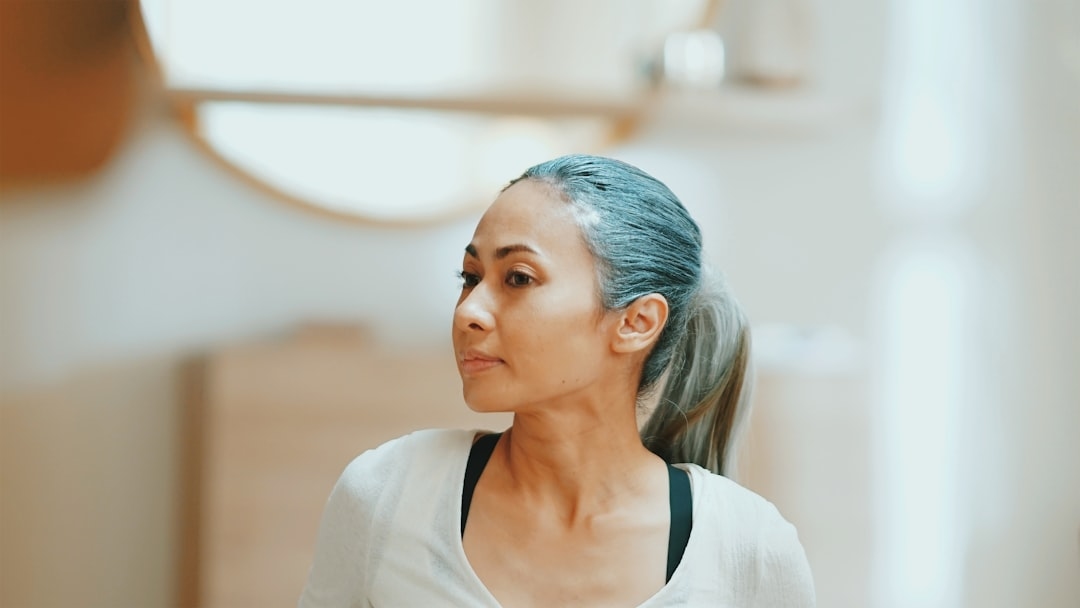
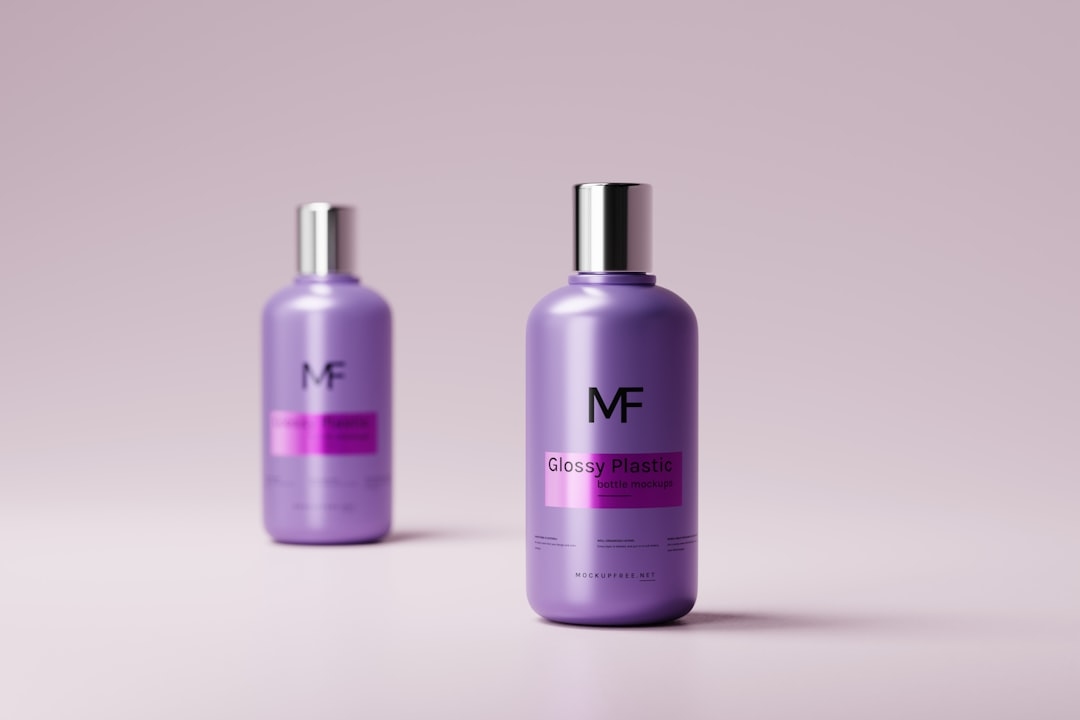
You’ve just invested in a fresh blonde balayage or finally achieved those silver-grey tones you’ve been dreaming about. Three weeks pass, and you notice something unsettling: the hair has shifted from cool blonde to that warm, brassy yellow that catches sunlight in all the wrong ways. Your stylist mentioned purple shampoo, and now you’re standing in the supermarket aisle wondering if this purple-coloured bottle is actually going to lighten your hair or if it’s just expensive coloured water. The short answer might surprise you.
Quick Answer
No, purple shampoo does not lighten hair. Instead, it deposits purple pigment onto blonde or light hair to neutralise brassy and yellow tones. It’s a toner, not a lightening product. The result appears lighter and cooler in tone, but the actual pigment depth hasn’t changed. If you want to lighten hair, you need bleach or a lightening treatment—purple shampoo maintains and corrects colour, it doesn’t alter the base level.
How Purple Shampoo Actually Works
The confusion around purple shampoo’s function stems from a fundamental misunderstanding of how colour theory works on hair. Think of the colour wheel: yellow and purple sit directly opposite each other. When those warm, brassy tones develop in blonde hair—which is essentially pale yellow—purple pigment neutralises it by cancelling it out optically. This is called colour correction, and it’s different from lightening.
The purple pigment in these shampoos is typically a violet or violet-based dye that clings to the porous, damaged cuticles of bleached or lightened hair. Because blonde hair is already highly porous from chemical processing, the shampoo deposits this colour relatively easily. The purple sits on the hair shaft temporarily, fading with each wash, until you reapply. This is why purple shampoo requires regular use—the pigment doesn’t permanently alter your hair’s actual colour level.
Professional colorists have used this technique for decades. The science is straightforward: complementary colours neutralise each other. If you’ve noticed that a purple-tinted product makes your blonde look “lighter,” what you’re actually perceiving is a cooler, more silvery tone. Cool colours appear lighter and more refined than warm colours at the same depth level. A warm, brassy blonde at level 9 will look distinctly different from a cool, silver blonde at the same level 9—but both are still level 9.
Does Purple Shampoo Lighten Hair or Just Correct Tone?
This question reveals a common mixing of two separate hair concerns. Some readers are asking if purple shampoo will lighten dark hair; others are asking if it will keep their blonde from darkening. The answer to both is no, though for slightly different reasons.
If you have medium or dark hair, purple shampoo will do virtually nothing visible. The pigment needs a very pale base to show up. The lighter your starting blonde, the more dramatic the toning effect. This is why purple shampoo is marketed specifically for platinum, ash-blonde, and silver-grey hair. A level 7 blonde (medium blonde) might see a subtle shift; a level 9 or 10 (very light blonde to white-blonde) will see a dramatic cool shift.
What purple shampoo absolutely does not do is prevent your blonde from fading or darkening naturally. If you’re hoping this product will preserve the exact shade your stylist created six months ago, you’ll be disappointed. Hair colour naturally oxidises and shifts over time, especially with sun exposure, heat styling, and chlorine. Purple shampoo addresses the brassy problem that comes with this fading, but it doesn’t stop the fade itself.
Common Mistakes to Avoid When Using Purple Shampoo
- Overusing it: Leaving purple shampoo on for longer than directed (typically 5-10 minutes) can deposit too much pigment, resulting in violet-tinted or grey-looking hair. This is especially true for finer hair textures. Start with once weekly and adjust based on how quickly your hair brasses.
- Using it on dark hair: Unless you have very light blonde, the purple won’t show up at all and you’re simply stripping moisture from your hair with a harsher formula.
- Expecting it to lighten: If your goal is to move from a level 8 to a level 9, purple shampoo won’t achieve that. You need a lightening treatment or a visit to your stylist.
- Neglecting conditioner: Purple shampoos tend to be drying. Always follow with a dedicated conditioner or hydrating mask. Look for products containing keratin, argan oil, or coconut oil to restore moisture.
- Not testing on a strand first: If you’ve never used a particular brand, apply a small amount to a hidden section first to see how your specific hair responds.
The Science Behind Brassy Tones and Why They Develop
Brassing occurs when the yellow and red pigments remaining in lightened hair oxidise and become more visible over time. Bleach doesn’t remove all colour from hair; it opens the cuticle and strips out some pigment, but some yellow always remains. This is why hair can only lighten so far naturally—there’s a limit to how pale you can go without reaching an unpleasant straw-like texture.
Brassing accelerates with exposure to heat, UV rays, and certain chemicals. A holiday in the Mediterranean sun, frequent blow-drying, or chlorine exposure from swimming all speed up the oxidation process. This is why your blonde looks warmer and more yellow after two weeks of sunshine compared to right after your salon appointment.
Purple shampoo counters this by depositing violet pigment that sits on top of and within the hair shaft, neutralising the yellow before it becomes too obvious. The longer you wait between shampoos, the more the yellow develops and the longer you’ll need to leave the purple shampoo on to correct it.
Choosing the Right Purple Shampoo for Your Hair Type
Not all purple shampoos are created equal. Quality varies significantly, and the best choice depends on your specific blonde tone and hair condition. Premium brands like Fanola No Yellow (approximately £8-12) and Wella T18 (around £6-9) offer strong pigment deposit and proven results. Budget-friendly options exist, but may require longer processing times or more frequent application.
For very fine or dry hair, look for formulas labelled “moisturising” or “hydrating purple shampoo.” These contain conditioning agents and oils that counteract the drying effect. Olaplex No. 4 (approximately £30-35) is popular amongst those with compromised hair, though the premium price reflects its bond-rebuilding technology rather than superior toning alone.
Consider your natural water hardness, too. Hard water mineral deposits can interact with purple pigment and create unexpected tones. If you have hard water, a chelating shampoo or shower filter may improve results.
Sustainable and Eco-Conscious Purple Shampoo Options
The beauty industry is shifting towards more sustainable formulations, and purple shampoo is no exception. If environmental impact matters to you, several brands now offer plant-based alternatives. Products like Davines Alchemic Shampoo (around £18-22) use plant-derived pigments rather than synthetic dyes, and many come in recyclable or refillable packaging.
Making your own purple shampoo is also viable. Mix a small amount of purple or violet tint into a gentle, sulfate-free shampoo base. This reduces packaging waste and lets you control the pigment intensity. Some people combine a diluted purple semi-permanent dye with a conditioner for a customisable toning treatment. The catch: homemade versions require careful measurement to avoid over-depositing pigment.
Consider also how often you’re washing. Extending the time between washes (even just by a day or two) reduces the amount of product you use over a month, which has a genuine environmental benefit. Purple shampoo works cumulatively—you don’t need to use it every single wash to maintain tone.
Practical Tips for Maximum Toning Effect
Timing matters more than most people realise. Use purple shampoo on clean, damp hair for best pigment uptake. Wet hair cuticles are more open and receptive to colour deposits. For stubborn brassing, apply the shampoo and leave it for 5-10 minutes before rinsing. If you’re nervous about over-toning, reduce this to 3-5 minutes.
Alternate shampoos rather than using purple shampoo exclusively. Your hair needs the moisture and strengthening benefits of a regular shampoo. A typical schedule might be: regular shampoo on Monday, purple on Thursday, regular on Saturday. Adjust based on how quickly your blonde brasses.
Combine purple shampoo with a matching toning conditioner for faster, more visible results. Conditioners stay on the hair longer, allowing deeper pigment deposit. Brands like Wella T18 and Fanola offer matching sets designed to work synergistically.
If you’ve over-toned and your hair looks too purple or grey, clarifying shampoo will help remove excess pigment. One wash with a chelating formula typically restores a more natural balance.
Frequently Asked Questions
Can purple shampoo lighten dark blonde hair?
Purple shampoo tones but does not lighten. On dark blonde (level 7 or below), you may see a subtle coolness to the tone, but no visible lightening. For actual lightening, you need a lightening treatment from a professional or at-home lightener.
How often should I use purple shampoo?
Most people see best results using purple shampoo once weekly to twice weekly, depending on how quickly their hair brasses. Start with weekly and increase frequency if needed. More than twice weekly risks over-toning and moisture depletion.
Will purple shampoo damage my hair?
Purple shampoo itself doesn’t damage hair, but some formulas are drying, particularly older or budget versions. Always follow with a hydrating conditioner. If your hair feels dry, brittle, or straw-like, reduce frequency or switch to a more moisturising formula.
Is purple shampoo necessary if I don’t have brassy hair?
If your blonde naturally stays cool and doesn’t brass, purple shampoo is unnecessary. Some people’s hair chemistry simply doesn’t produce brassy tones. Regular moisturising shampoo is sufficient. Purple shampoo is a problem-solving tool, not a maintenance requirement for every blonde person.
Can I use purple shampoo on highlighted or partial blonde?
Yes, but use caution. Apply only to the blonde sections, avoiding darker roots or darker pieces of hair where it won’t tone visibly and will only dry out the hair. Purple shampoo deposit on dark hair can sometimes appear muddy or dull.
Moving Forward: Realistic Expectations
Purple shampoo is a brilliant tool for maintaining blonde and silver hair, but understanding what it actually does—and doesn’t do—saves money, frustration, and potentially hair damage. It neutralises brassy tones through colour correction, it does not lighten hair, and it requires consistent maintenance. If brassing is your concern, purple shampoo is likely your answer. If you want to change your actual hair depth or lightness, you need a different approach entirely. The key is matching your expectations to the product’s actual capability.