Contents:
- The Question Everyone Asks About Aloe Vera
- What Is Aloe Vera and How Does It Affect Hair?
- Can Aloe Vera Cause Hair Loss? The Direct Answer
- When Aloe Vera Might Contribute to Hair Shedding
- The Regional and Seasonal Context in the UK
- Distinguishing Aloe Vera Products from Pure Aloe Gel
- Common Culprits in Commercial Aloe Products
- Identifying True Aloe Vera Allergies
- How Aloe Vera Actually Benefits Hair Growth
- Safe Use Guidelines for Aloe Vera Hair Products
- Cost Breakdown: Aloe Vera Options for Hair Care
- When to Stop Using Aloe Vera for Hair
- Aloe Vera and Other Hair Loss Conditions
- FAQ Section
- Can pure aloe vera gel cause hair loss?
- How long does it take to see hair improvement from aloe vera?
- Is aloe vera safe for colour-treated or chemically processed hair?
- What’s the difference between aloe vera gel and aloe latex for hair?
- Can I use aloe vera daily without side effects?
- The Balanced Verdict on Aloe Vera and Hair
The Question Everyone Asks About Aloe Vera
Could a plant renowned for healing actually damage your hair? This paradox sits at the heart of haircare forums across the UK and beyond. Aloe vera is celebrated as a natural remedy for scalp health, yet some people report hair thinning or shedding after using aloe products. Understanding whether aloe vera can cause hair loss requires examining the evidence, the context, and the conditions under which problems might occur.
What Is Aloe Vera and How Does It Affect Hair?
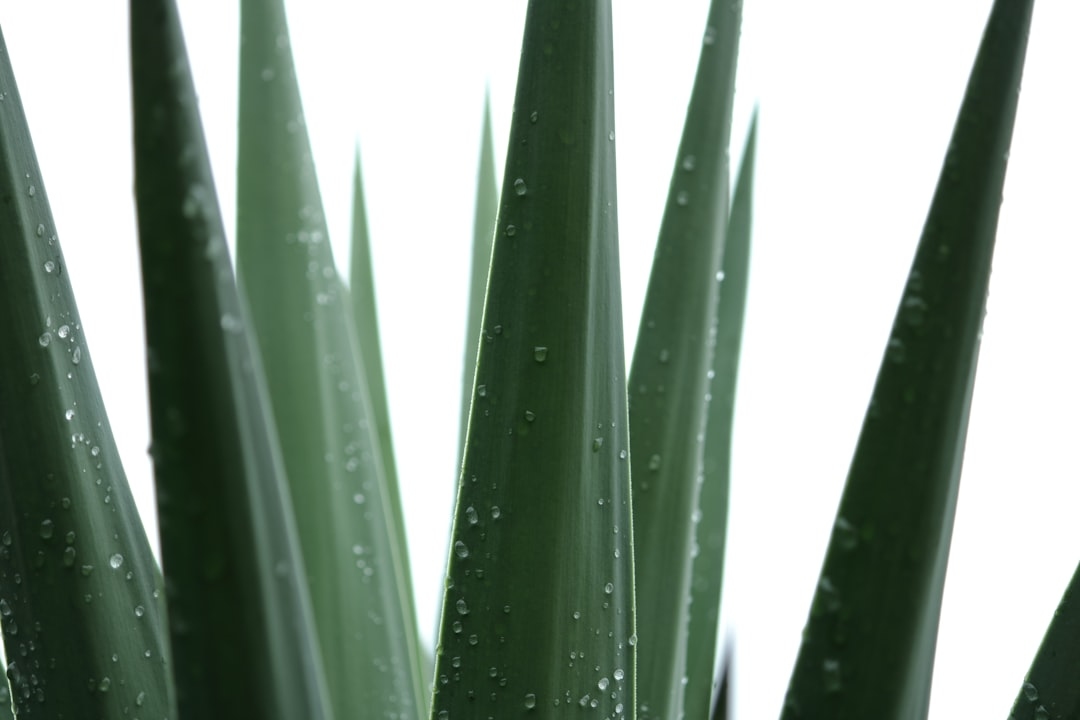
Aloe vera is a succulent plant containing over 75 active compounds, including polysaccharides, amino acids, and anthraquinones. The inner gel is most commonly used in haircare, where it provides hydration, reduces inflammation, and promotes a healthy scalp environment. The plant’s pH is naturally acidic (around 4.5), which aligns well with the hair’s natural pH, making it seemingly compatible with most scalp types.
In controlled conditions, aloe vera genuinely benefits hair. A 2023 study published in the Journal of Ethnopharmacology found that aloe vera gel reduced scalp inflammation by 34% in participants with minor dermatitis. This inflammation reduction typically leads to healthier hair growth, not loss. So why the concern?
Can Aloe Vera Cause Hair Loss? The Direct Answer
Pure aloe vera gel itself does not inherently cause hair loss. However, aloe vera products and improper application can indirectly trigger shedding through several mechanisms. The distinction between correlation and causation is critical here.
When Aloe Vera Might Contribute to Hair Shedding
Hair loss linked to aloe vera typically occurs in these specific scenarios:
- Allergic reactions: Approximately 8-12% of people have sensitivity to aloe vera compounds, particularly aloin (found in the yellow latex beneath the skin). This can cause itching, burning, and subsequent shedding.
- Scalp irritation from commercial products: Many “aloe vera” haircare products contain only 1-5% actual aloe, with the remainder being silicones, preservatives, or alcohol that may irritate sensitive scalps.
- Overuse and buildup: Applying aloe products daily or in excessive quantities can cause product accumulation on the scalp, suffocating hair follicles and leading to temporary shedding.
- The “detox” phase: When transitioning to natural products, some people experience increased shedding as the scalp adjusts. This is usually temporary (2-4 weeks) and not caused by aloe vera itself.
- Pre-existing scalp conditions: Those with severe seborrheic dermatitis or psoriasis may find aloe vera alone insufficient or incompatible with other treatments.
The Regional and Seasonal Context in the UK
Interestingly, aloe vera-related hair issues show distinct patterns across the UK. In warmer southern regions (London, Southeast), users report more frequent sensitivity reactions during summer months (June-August) when higher humidity increases scalp sweat production. Aloe vera’s emollient properties can trap moisture and sweat, potentially causing follicular congestion.
Conversely, in cooler northern areas (Scotland, Northern England), winter-induced dry scalp conditions combined with aloe vera’s hydrating nature create less friction and fewer complaints. The contrast suggests environmental factors amplify or mitigate aloe vera’s effects on individual hair loss risk.
Distinguishing Aloe Vera Products from Pure Aloe Gel
This is where many people make critical errors. Commercial aloe vera haircare products vary dramatically in composition. A budget product from a supermarket (typically £2-4) might contain only 2% aloe vera with 40% dimethicone (a silicone that coats the scalp). A premium salon brand (£15-25) might offer 15-25% aloe with minimal synthetic additives.
Pure aloe vera gel—extracted directly from the plant or purchased as 99-100% pure gel (around £8-12 per 250ml jar from Boots or health shops)—is far less likely to cause issues than formulated products with multiple ingredients.
Common Culprits in Commercial Aloe Products
- Sodium lauryl sulphate (SLS): Found in many cheaper aloe shampoos, this harsh detergent strips natural oils and irritates scalps.
- High alcohol content: Drying alcohols (not fatty alcohols) in aloe sprays can cause scalp dryness and flaking, which mimics hair loss.
- Preservative sensitivity: Aloin and other naturally occurring compounds can create preservative interactions in poorly formulated products.
- Fragrance and essential oils: Added scent can trigger allergic contact dermatitis, especially when combined with aloe’s natural compounds.
Identifying True Aloe Vera Allergies
If you suspect aloe vera is causing hair loss, identify whether it’s a genuine allergy or a product compatibility issue. True aloe vera sensitivity manifests within 24-48 hours of application and includes:
- Red, inflamed scalp
- Intense itching or burning sensation
- Small hives or rash on the hairline or neck
- Swelling of the scalp or face (rare but serious—seek medical advice immediately)
A patch test confirms sensitivity: apply a small amount of the aloe product behind your ear and wait 24 hours. If no reaction occurs, the product is likely safe. If itching or redness develops, discontinue use and consult your GP.
How Aloe Vera Actually Benefits Hair Growth
Understanding the positive mechanisms helps contextualise the rare negative outcomes. Aloe vera supports hair health through:
- Scalp hydration: Polysaccharides draw moisture into the scalp without leaving residue, promoting an environment where hair follicles thrive.
- Anti-inflammatory action: Salicylic acid and other compounds reduce inflammation linked to androgenetic alopecia and telogen effluvium (temporary shedding).
- Enzymatic scalp support: Proteolytic enzymes in aloe vera remove dead skin cells and sebum buildup, improving nutrient availability for hair follicles.
- pH balance: Aloe’s naturally acidic pH protects the hair cuticle, reducing breakage and promoting shine.
Safe Use Guidelines for Aloe Vera Hair Products
If you want to use aloe vera without triggering shedding, follow these evidence-based recommendations:
- Frequency: Use aloe vera hair products 2-3 times weekly, not daily. Daily use risks buildup and scalp suffocation.
- Concentration: Choose products with at least 10% aloe vera content. Lower concentrations offer minimal benefit and may contain concerning filler ingredients.
- Application method: Apply to the scalp and mid-lengths, not the hair ends. A small handful (approximately 15ml) is sufficient for shoulder-length hair.
- Duration: If using as a mask or treatment, limit contact time to 15-20 minutes. Longer exposure increases irritation risk.
- Patch testing: Before full application, test behind the ear or on a hidden section of scalp. Wait 48 hours before assessing safety.
- Timing within seasonal cycle: In summer (June-August), use lighter aloe formulations or reduce frequency to once weekly. In winter, increase to 2-3 times weekly when scalp dryness peaks.
Cost Breakdown: Aloe Vera Options for Hair Care
Understanding what you’re paying for helps identify quality:
- Pure aloe vera gel: £8-12 per 250ml from Boots, Superdrug, or health shops. Cost per application: approximately 8-12p.
- Commercial aloe shampoo: £3-6 per 250ml (budget) to £15-20 (premium). Cost per wash: 5-15p.
- Aloe vera mask or conditioner: £6-12 per jar, lasting 6-8 applications. Cost per use: 75p-£2.
- Fresh aloe leaf from garden centres: £5-8 per plant, yielding dozens of applications over several months. Cost per application: under 5p.
For budget-conscious users in small spaces, a single aloe vera plant requires minimal room and provides the safest, most economical option.
When to Stop Using Aloe Vera for Hair
Discontinue aloe vera products if you experience persistent itching, visible hair loss (more than 50-100 strands daily), scalp redness lasting more than two weeks, or increased dandruff. These signs indicate incompatibility rather than a temporary adjustment phase. Switch to simpler products—a basic moisturising conditioner without botanical ingredients—and reassess after four weeks. If hair loss continues, consult a trichologist to rule out underlying conditions unrelated to aloe vera.
Aloe Vera and Other Hair Loss Conditions
Aloe vera is sometimes promoted as a treatment for male or female pattern baldness, though evidence is limited. While it improves scalp health, it cannot reverse genetic hair loss. Anyone experiencing significant, progressive hair loss should consult a dermatologist rather than relying on aloe vera alone. Conditions like telogen effluvium (stress-induced temporary shedding) may improve with aloe vera’s scalp-soothing properties, but medical evaluation is essential.
FAQ Section
Can pure aloe vera gel cause hair loss?
Pure aloe vera gel rarely causes hair loss directly. However, allergies (affecting 8-12% of users), scalp irritation, or overuse can trigger temporary shedding. Patch test first and use sparingly.
How long does it take to see hair improvement from aloe vera?
Scalp health improvements typically appear within 2-4 weeks of consistent use. Visible hair growth improvements may require 8-12 weeks. If no improvement occurs after 12 weeks, aloe vera may not suit your hair type.
Is aloe vera safe for colour-treated or chemically processed hair?
Yes. Aloe vera is one of the safer options for chemically treated hair because it’s gentle and pH-balanced. However, avoid commercial products with high alcohol content, which can interact with chemical treatments.
What’s the difference between aloe vera gel and aloe latex for hair?
Aloe gel (the clear inner tissue) is safe for hair. Aloe latex (the yellow substance under the skin) contains aloin, a potent compound that can cause irritation and should never be applied directly to the scalp or hair.
Can I use aloe vera daily without side effects?
Most people can tolerate aloe vera 2-3 times weekly indefinitely. Daily use risks scalp buildup and irritation, particularly in summer or humid climates. If you want daily use, dilute aloe vera significantly (1 part aloe to 5 parts water as a light spray).
The Balanced Verdict on Aloe Vera and Hair
Can aloe vera cause hair loss? In rare, specific circumstances involving allergies, poor-quality products, or overuse—yes. For the vast majority of people, properly applied aloe vera supports scalp health and encourages hair growth. The key distinction rests not on aloe vera itself, but on how, when, and what formulation you use. In 2026, with countless aloe vera products available across UK retailers, selecting a high-concentration formula, conducting a patch test, and following measured application guidelines virtually eliminates the risk of aloe-related shedding. Most people who experience problems have either purchased low-quality products or applied them excessively. Start cautiously, monitor your scalp closely for the first two weeks, and adjust frequency based on your individual response. For the majority, aloe vera remains a genuinely beneficial, affordable addition to a balanced haircare routine.